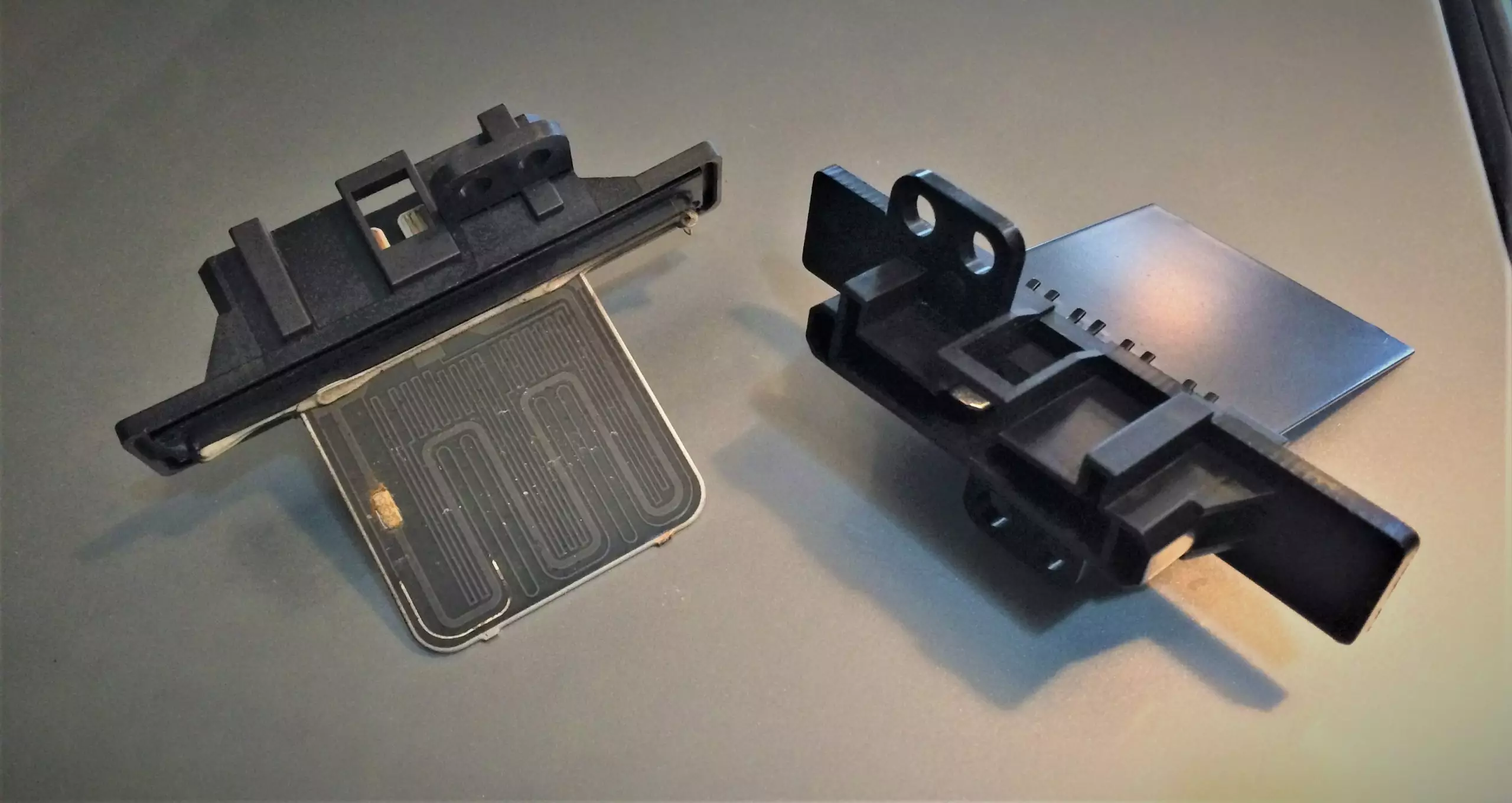
In the realm of modern automotive and HVAC systems, blower motor resistors play a critical role in the operation of air conditioning systems. These components, although small and often overlooked, are essential for regulating the speed of the fan that circulates air through the vehicle’s cabin or a building’s interior. Understanding the function and significance of blower motor resistors can help in diagnosing issues related to air conditioning systems and ensuring their optimal performance.
What is a Blower Motor Resistor?
A blower motor resistor is an electrical component that controls the speed of the blower motor fan in an air conditioning system. It achieves this by varying the resistance in the circuit, thus adjusting the current flowing to the fan motor. This regulation allows for multiple fan speed settings, providing users the ability to select their preferred level of airflow.
Key Characteristics of Blower Motor Resistors
- They are typically located near the blower motor, often under the dashboard or in the engine compartment.
- Blower motor resistors can vary the fan speed by using different resistors to decrease the voltage reaching the blower motor.
- They are designed to handle the electrical load of the blower motor and must match the specifications of the particular vehicle or system.
- Over time, they can wear out, requiring replacement to maintain the performance of the air conditioning system.
Function and Importance in Air Conditioning Systems
Blower motor resistors are integral to the user experience of air conditioning systems. Without them, fan speed control would be limited or non-existent, leading to discomfort and inefficiency. Here’s why these components are crucial:
- They allow for variable fan speeds, enhancing the comfort level by providing options for airflow intensity.
- Proper functioning ensures efficient operation and energy consumption of the air conditioning system.
- They contribute to the overall longevity and reliability of the HVAC system by preventing overheating and excessive wear on the blower motor.
To gain a deeper understanding of how blower motor resistors affect HVAC systems, read more about this topic.
Common Signs of a Failing Blower Motor Resistor
Recognizing the symptoms of a failing blower motor resistor can help in timely repairs and maintenance. Here are some common indicators:
- The fan only works at certain speeds or not at all.
- Intermittent operation of the blower motor.
- No air from the vents despite the fan being turned on.
- Unusual noises from the blower motor or resistor area.
If any of these symptoms are present, it’s advisable to check the blower motor resistor. For a comprehensive guide on troubleshooting and replacement, learn more in this detailed guide.
Maintenance and Replacement
Regular maintenance of blower motor resistors can prevent unexpected failures and extend the life of the air conditioning system. Here are some tips for maintaining these components:
- Regularly inspect the resistor for signs of damage or wear.
- Clean the area around the blower motor and resistor to prevent dust and debris buildup.
- Ensure the electrical connections are secure and free from corrosion.
- Replace the resistor with one that matches the original specifications to avoid compatibility issues.
When replacement becomes necessary, it is important to choose a resistor that matches the system’s requirements. Explore further insights here for selecting the right components.
Conclusion
The role of blower motor resistors in air conditioning systems is pivotal for ensuring comfort and functionality. By controlling the fan speed, these components enhance the efficiency and longevity of HVAC systems. Understanding their function, recognizing signs of failure, and adhering to maintenance practices can help prevent issues and maintain optimal performance. For more detailed information on blower motor resistors, find additional information here.
About the Author





