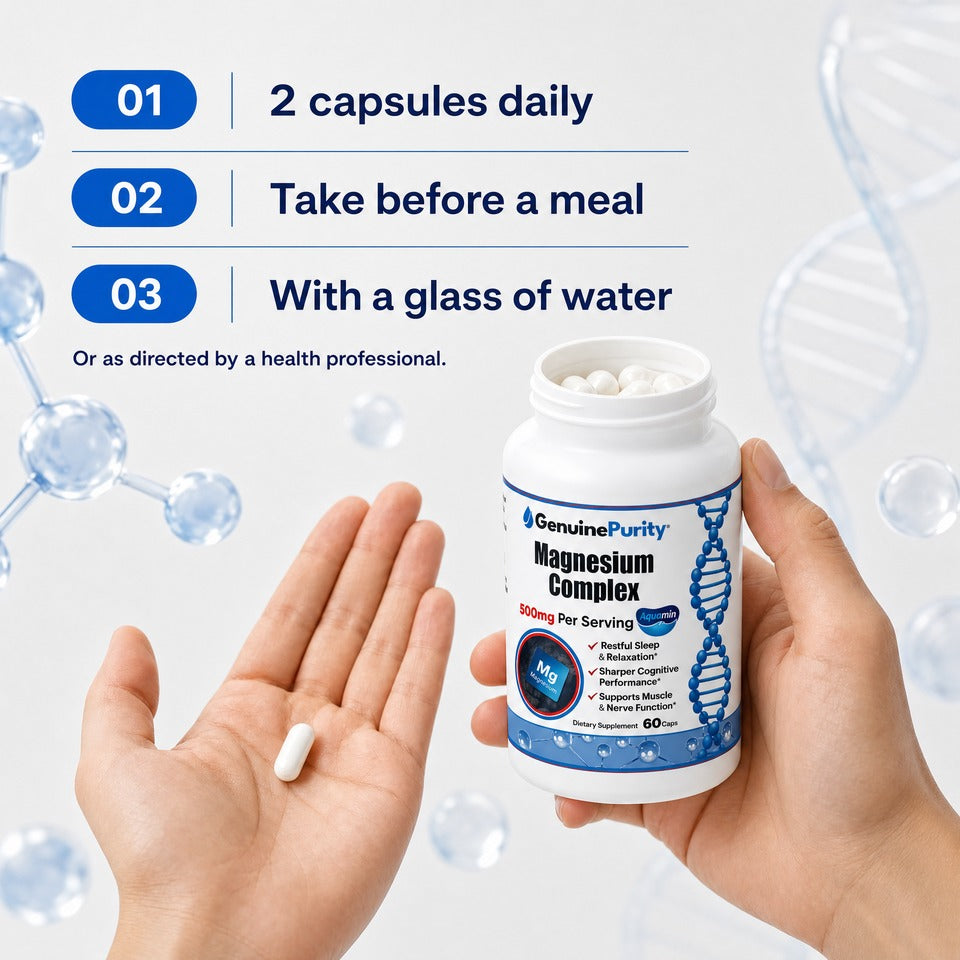
Choosing the right multivitamin supplement in the UK can feel overwhelming, especially with the sheer volume of products on the market. A high-quality multivitamin should complement a balanced diet, support daily energy levels, and fill nutritional gaps that may arise from lifestyle, age, or dietary restrictions. Understanding the key factors that differentiate a reputable formula from a generic one helps ensure that the supplement you select delivers genuine health benefits rather than merely a marketing promise. Below is a practical guide that outlines the most important considerations before making a purchase, helping you navigate label claims, ingredient quality, and regulatory standards with confidence.
Understanding Label Claims and Ingredient Transparency
Manufacturers often use buzzwords such as “premium,” “whole-food,” or “clinically proven.” While these terms can indicate quality, they must be backed by clear, verifiable information on the label.
- Complete nutrient profile: Look for a detailed list that includes vitamins, minerals, and any added botanicals. Each ingredient should be listed with its exact amount (e.g., 100″?mg of vitamin C).
- Standardised extracts: If the product contains herbal components, the label should specify the standardisation (e.g., “standardised to 5″?% bacosides”).
- Bioavailability notes: Forms such as methylcobalamin (B12) or chelated minerals are generally better absorbed than their inorganic counterparts.
For a curated selection of multivitamins that meet these transparency standards, Discover expert strategies here.
Key Nutrients to Prioritise
While individual needs vary, certain vitamins and minerals are universally important for most adults in the UK.
Essential Vitamins
- Vitamin D3: Crucial for bone health and immune function, especially during the darker months.
- Vitamin B12: Supports nerve health and energy metabolism; vital for vegans and vegetarians.
- Vitamin C: Antioxidant protection and collagen synthesis.
Core Minerals
- Magnesium: Involved in over 300 enzymatic reactions, including muscle relaxation and sleep quality.
- Zinc: Supports immune response and skin health.
- Selenium: Works with antioxidant enzymes to protect cells from oxidative stress.
When evaluating a product, verify that these nutrients are present in forms that the body can readily utilise. For deeper insight into nutrient selection, Learn about our tailored solutions.
Quality Assurance and Manufacturing Standards
Reputable brands adhere to strict manufacturing protocols that ensure safety, potency, and consistency.
- Good Manufacturing Practice (GMP): Certification indicates that the product is produced under controlled conditions.
- Third-party testing: Independent labs verify label accuracy and check for contaminants such as heavy metals, pesticides, or allergens.
- Allergen declarations: Clear statements about gluten, dairy, soy, or nut content are essential for those with sensitivities.
Products that meet these standards are often highlighted on specialist retailer sites. To explore options that have undergone rigorous testing, Explore advanced guides and tips.
Formulation Considerations for Specific Lifestyles
Different life stages and dietary patterns influence the ideal multivitamin composition.
Vegetarian / Vegan
- Ensure B12 is sourced from cyanocobalamin or methylcobalamin rather than animal-derived forms.
- Check for plant-based omega-3 sources such as algal oil.
Active Adults & Athletes
- Higher magnesium and B-vitamin content can aid recovery and energy production.
- Electrolyte balance (potassium, calcium) supports muscle function.
Older Adults (50+)
- Increased vitamin D3 and calcium for bone density.
- Enhanced antioxidant blend (vitamins C, E, selenium) to counteract age-related oxidative stress.
Tailoring the supplement to personal needs reduces the risk of excess intake and maximises benefit. For a range that addresses these specific requirements, Find out more about this approach.
Cost-Effectiveness and Value
Price alone does not guarantee quality, but extremely low-cost options may cut corners on ingredient purity or testing.
- Calculate the cost per serving rather than per bottle.
- Consider subscription or bulk-purchase discounts if you plan long-term use.
- Check for money-back guarantees that reflect confidence in product efficacy.
Final Checklist Before Purchase
- Confirm that the label lists exact nutrient amounts and bioavailable forms.
- Verify GMP certification and third-party testing results.
- Match the formulation to your dietary preferences and lifestyle needs.
- Assess cost per dose and any available guarantees.
- Read independent reviews for real-world feedback on absorption and tolerability.
By following this structured approach, shoppers can make an informed decision that aligns with both health goals and the high standards expected of premium UK multivitamin supplements. The right choice not only fills nutritional gaps but also supports long-term wellbeing, providing a solid foundation for a vibrant, active life.
About the Author