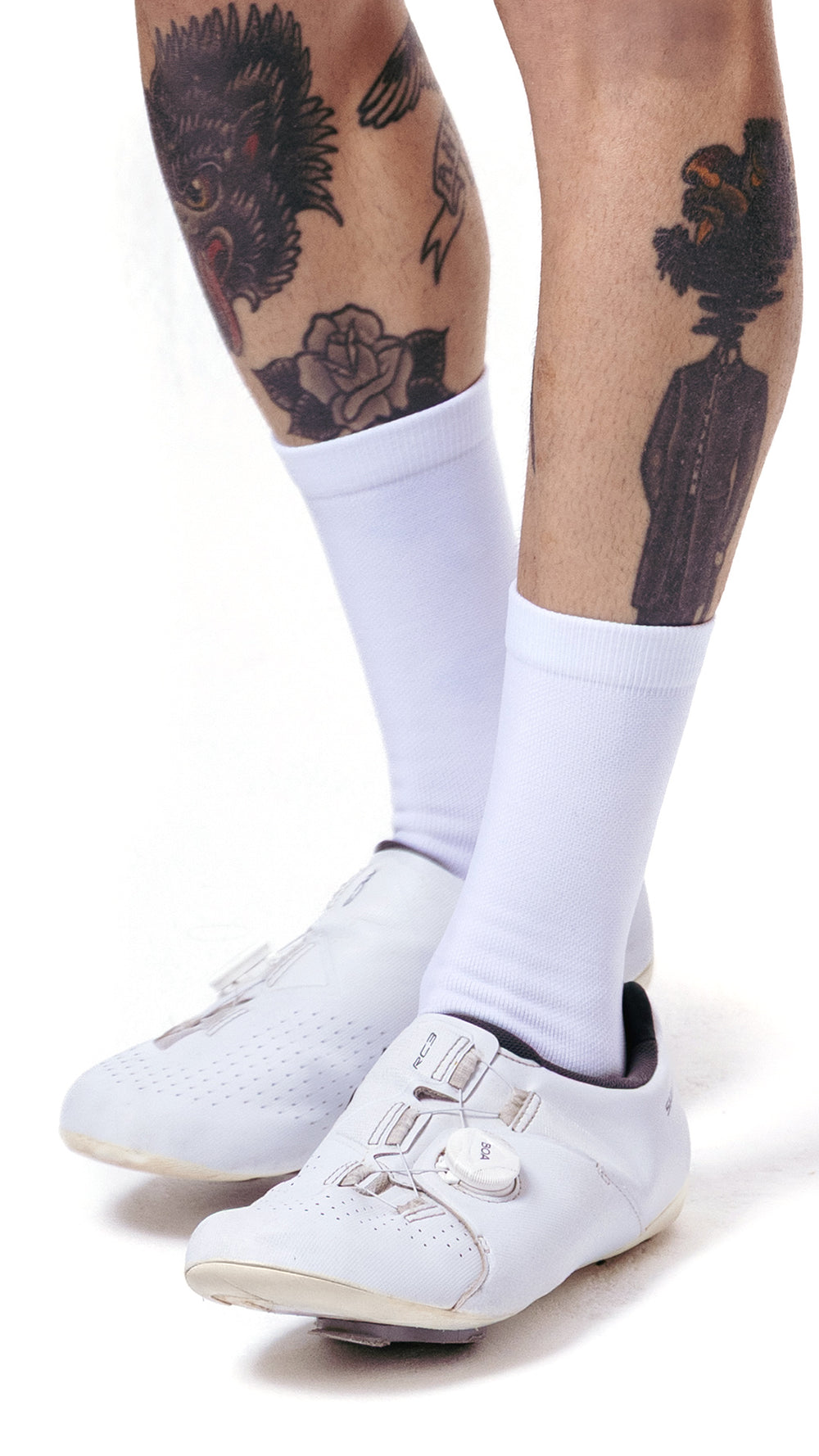
Long-distance cycling demands meticulous attention to every component that can affect performance, comfort, and safety. Among the often-overlooked accessories, aero overshoes play a pivotal role in shaping the riding experience. By streamlining the drivetrain, protecting the shoes from the elements, and reducing fatigue, high-quality aero overshoes become an essential investment for cyclists who regularly tackle extended routes. This article explores the concrete benefits of using the best aero overshoes on long rides, offering insight into how they contribute to speed, efficiency, and overall rider wellbeing.
Enhanced Aerodynamics and Speed
When a cyclist maintains a consistent speed over many kilometres, even marginal aerodynamic gains accumulate into significant time savings. Aero overshoes are engineered to smooth the interface between the shoe and the pedal, eliminating turbulence that can arise from exposed cleats and shoe spikes.
Key aerodynamic advantages
- Reduced drag: Streamlined surfaces allow air to flow more cleanly over the shoe-pedal system, cutting drag by up to 5% in some tests.
- Improved power transfer: By keeping the shoe firmly positioned on the pedal, overshoes minimize wobble and ensure that each pedal stroke translates directly into forward motion.
- Consistent performance in varying conditions: The aerodynamic shape remains effective whether riding in calm air or gusty wind, providing reliable speed gains.
For cyclists seeking the best aero overshoes to complement a time-trial or endurance bike, selecting a model with a low-profile design and integrated stiffening plates can make the difference between a marginal advantage and a noticeable improvement.
Protection Against Weather and Road Debris
Long rides often expose cyclists to unpredictable weather and the inevitable spray from wet roads. Traditional cycling shoes, especially those with exposed cleats, can suffer from water ingress, mud accumulation, and accelerated wear.
How aero overshoes safeguard footwear
- Water resistance: Waterproof membranes prevent moisture from seeping into the shoe cavity, keeping feet dry and reducing the risk of blisters.
- Debris shield: Reinforced outer layers deflect stones, sand, and grit that could otherwise damage the shoe’s sole or cleat mechanism.
- Temperature regulation: Some designs incorporate breathable yet wind-proof fabrics, maintaining a comfortable foot temperature during both hot and cold rides.
Choosing overshoes that balance protection with breathability ensures that riders stay comfortable without sacrificing the aerodynamic profile that makes these accessories valuable.
Improved Comfort and Fatigue Management
Comfort is a critical factor on rides that last several hours. Even minor pressure points or moisture buildup can evolve into significant discomfort, leading to reduced power output and increased fatigue.
Comfort-focused features
- Ergonomic fit: Contoured shapes conform to the natural curve of the shoe, preventing chafing around the ankle and heel.
- Cushioning layers: Thin, high-density foam inserts absorb vibrations from rough pavement, lessening the impact on the rider’s joints.
- Secure closure systems: Velcro straps or quick-release buckles provide a snug fit that stays in place without requiring constant adjustment.
By reducing the physiological stress on the feet, aero overshoes help maintain a rider’s power output over long distances, contributing to steadier pacing and a more enjoyable experience.
Durability and Maintenance Benefits
Investing in a durable pair of overshoes can lower long-term maintenance costs for both shoes and pedals. High-quality materials resist abrasion, UV degradation, and repeated flexing, extending the lifespan of the entire drivetrain system.
Longevity factors to consider
- Material selection: Reinforced nylon or TPU blends offer a blend of strength and flexibility.
- Ease of cleaning: Removable liners and water-repellent exteriors allow quick rinsing after muddy rides.
- Compatibility: Overshoes designed for a range of cleat standards (SPD, Look, Speedplay) reduce the need for multiple accessory sets.
When cyclists choose the best aero overshoes built for endurance, they benefit from reduced wear on both shoes and pedals, translating into fewer replacements and a more sustainable riding setup.
Choosing the Right Aero Overshoes for Your Needs
Selecting the optimal overshoes involves evaluating riding style, typical weather conditions, and personal fit preferences. Below is a quick decision guide to help cyclists pinpoint the most suitable option.
Decision checklist
- Ride duration: For rides exceeding 3″?hours, prioritize models with enhanced cushioning and moisture-wicking liners.
- Climate: In wet climates, opt for fully waterproof membranes; in hot climates, look for ventilated panels.
- Bike type: Time-trial and triathlon bikes benefit most from ultra-low-profile designs, while gravel bikes may favor more robust protection.
- Cleat system: Verify compatibility with your existing cleats to avoid fit issues.
By aligning these criteria with the product specifications offered by leading manufacturers, cyclists can ensure that their investment delivers measurable performance gains on every long ride.
Conclusion
The integration of the best aero overshoes into a cyclist’s gear set is more than a cosmetic upgrade; it is a strategic enhancement that influences speed, protection, comfort, and durability. For riders who regularly embark on lengthy journeys, the aerodynamic edge, weather shielding, fatigue reduction, and long-term cost savings combine to create a compelling case for adoption. Selecting a well-engineered pair that matches personal riding conditions will unlock these benefits, allowing cyclists to focus on the road ahead rather than the limitations of their equipment.
About the Author


