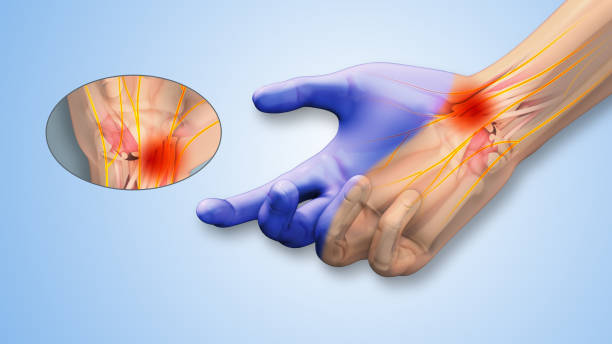
Carpal tunnel syndrome is a prevalent condition that affects the hand and wrist, causing discomfort and impaired functionality. As it progresses, many patients consider surgical intervention to alleviate symptoms. Understanding the nuances of carpal tunnel surgery can empower individuals to make informed decisions about their health care. This article provides expert insights into the surgical procedure, recovery expectations, and considerations for those contemplating this treatment path.
Understanding Carpal Tunnel Surgery
Carpal tunnel surgery is designed to relieve pressure on the median nerve, which runs through the carpal tunnel in the wrist. The surgery involves cutting the transverse carpal ligament to enlarge the tunnel and reduce compression on the nerve. This procedure is typically considered when non-surgical treatments have failed and symptoms persist or worsen.
Types of Carpal Tunnel Surgery
- Open Carpal Tunnel Release: This traditional approach involves making an incision in the palm to access and cut the ligament. Though effective, it may result in a longer recovery period.
- Endoscopic Carpal Tunnel Release: A minimally invasive option that uses a small camera and instruments inserted through tiny incisions. This method often allows for quicker recovery and less postoperative discomfort.
For more detailed information on these surgical techniques, discover expert strategies here.
Preparation and Recovery
Preparing for carpal tunnel surgery involves several steps to ensure a smooth procedure and recovery process. Patients are advised to:
- Discuss medical history and current medications with their surgeon.
- Arrange for transportation and assistance post-surgery, as driving is restricted.
- Follow preoperative instructions regarding fasting and medication adjustments.
Recovery from carpal tunnel surgery typically involves:
- Initial Healing: Swelling and soreness in the wrist and hand, which gradually subsides over a few weeks.
- Physical Therapy: Exercises to restore strength and flexibility, often guided by a professional.
- Return to Activities: Most patients can resume normal activities within 6-8 weeks, though full recovery can take up to several months.
Learn about our tailored solutions for recovery and rehabilitation here.
Factors Influencing Surgical Outcomes
The success of carpal tunnel surgery can be influenced by several factors, including:
- Severity and Duration: Long-standing or severe cases may require more intensive rehabilitation.
- Patient Health: General health, including conditions like diabetes, can affect healing rates.
- Post-Surgical Care: Adhering to postoperative instructions is crucial for optimal outcomes.
For a comprehensive guide on managing these factors, explore advanced guides and tips.
Conclusion
Carpal tunnel surgery is a viable solution for those suffering from chronic symptoms that impair daily life. By understanding the procedure, preparing adequately, and engaging in proper post-operative care, patients can achieve significant relief and improved hand function. For a deeper understanding of the surgical options and what they entail, find out more about this approach.
About the Author