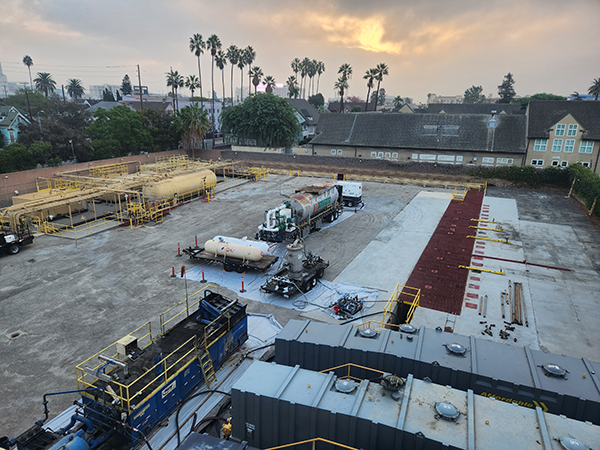
In the realm of environmental assessments, the Phase 2 Environmental process stands as a critical step in identifying and mitigating potential environmental hazards associated with a property. This process is instrumental in providing detailed insights into site conditions and determining the presence of contaminants. A thorough understanding of this phase not only ensures compliance with environmental regulations but also protects stakeholders from future liabilities. As such, navigating the Phase 2 Environmental process requires meticulous attention to detail and strategic planning to achieve accurate and actionable outcomes.
Understanding the Phase 2 Environmental Process
The Phase 2 Environmental process is typically initiated following a Phase 1 Environmental Site Assessment (ESA) when potential environmental concerns are identified. This stage involves a more detailed investigation, which includes the collection and analysis of soil, groundwater, and building materials to confirm the presence of hazardous substances.
Key Components of Phase 2 Environmental Assessments
- Sampling and Analysis: The core aspect of Phase 2 is the collection of environmental samples. This typically involves drilling boreholes and installing monitoring wells to gather soil and groundwater samples.
- Laboratory Testing: Samples collected during the assessment are analyzed in certified laboratories to identify the presence and concentration of contaminants.
- Data Interpretation: The data obtained from laboratory analyses are interpreted to understand the nature and extent of any contamination.
- Risk Assessment: Evaluating the potential risks to human health and the environment is a crucial part of the assessment. It helps in determining necessary remedial actions.
Steps to Conduct a Phase 2 Environmental Assessment
Conducting a successful Phase 2 Environmental assessment involves a series of well-planned steps that ensure comprehensive evaluation of the site conditions.
1. Detailed Site Investigation
The initial step involves a comprehensive site investigation. This includes reviewing historical site use, current operations, and identifying potential sources of contamination. A detailed site map is often created to plan the sampling locations effectively.
2. Sampling Strategy Development
Developing a robust sampling strategy is crucial. It involves determining the number and type of samples required, selecting appropriate sampling methods, and ensuring samples are collected from representative locations across the site.
3. Field Investigation and Data Collection
Fieldwork is conducted to collect environmental samples. This stage may also involve the use of geophysical methods to detect underground storage tanks or other subsurface anomalies that could pose environmental risks.
4. Laboratory Analysis and Reporting
Once samples are collected, they are sent to accredited laboratories for analysis. The results are meticulously documented in a comprehensive report, detailing the types and concentrations of contaminants found, as well as the potential implications for site use and remediation.
Best Practices for Effective Phase 2 Environmental Assessments
Adhering to industry best practices is essential for conducting effective Phase 2 Environmental assessments. Here are some key considerations:
- Compliance with Regulations: Ensure all activities comply with local, state, and federal environmental regulations to avoid legal repercussions.
- Engagement of Experienced Professionals: Hiring experienced environmental consultants can significantly enhance the accuracy and reliability of the assessment.
- Use of Advanced Technologies: Leveraging advanced technologies and methodologies can improve data accuracy and expedite the assessment process.
- Comprehensive Documentation: Maintaining detailed records of all findings and analyses is crucial for transparency and future reference.
Conclusion
Navigating the Phase 2 Environmental process requires a strategic approach and a thorough understanding of environmental assessment protocols. By following best practices and engaging skilled professionals, stakeholders can effectively manage environmental risks and ensure compliance with regulatory requirements. This not only aids in safeguarding environmental health but also enhances the value and safety of real estate investments.
About the Author