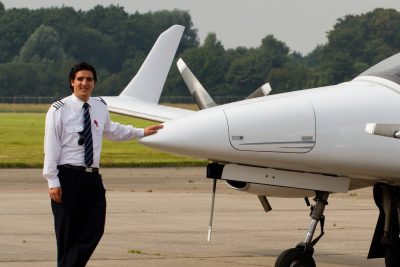
Learning to fly a plane is an exhilarating journey that combines skill, knowledge, and passion. A private pilot course is the first step for those dreaming of mastering the skies. This guide aims to provide you with a comprehensive overview of what to expect and how to prepare for your private pilot journey. Whether you have always wanted to fly for pleasure or as a stepping stone to a professional aviation career, understanding the components of a private pilot course will set the foundation for your success.
Understanding the Private Pilot Course
The private pilot course is designed to equip aspiring pilots with the essential skills to fly an aircraft safely and confidently. It encompasses theoretical knowledge and practical flight training. The course typically includes:
- Ground School: Covers subjects such as aerodynamics, navigation, weather, and aviation regulations.
- Flight Training: Hands-on experience under the supervision of a certified flight instructor.
- Solo Flights: Enables students to fly alone, demonstrating competency and confidence.
Find out more about this approach and how it can help you achieve your aviation goals by visiting here.
Prerequisites and Requirements
Eligibility Criteria
Before enrolling in a private pilot course, it’s essential to meet specific prerequisites. These usually include:
- Minimum age requirement (usually 17 years old).
- Ability to read, write, and speak English proficiently.
- A valid medical certificate from an authorized aviation medical examiner.
Financial Considerations
Investing in a private pilot course requires careful financial planning. Tuition fees can vary based on the institution, aircraft used, and location. It’s advisable to explore advanced guides and tips on how to finance your training effectively.
Choosing the Right Flight School
Choosing the right flight school is critical to your success as a pilot. Consider the following factors when evaluating potential schools:
- Accreditation: Verify if the school is accredited by relevant aviation authorities.
- Fleet Condition: Inspect the aircraft’s condition and maintenance practices.
- Instructor Credentials: Ensure instructors are experienced and have a good teaching record.
Discover expert strategies for selecting a flight school that aligns with your aspirations by visiting this link.
The Training Process
Ground School Training
Ground school forms the backbone of your aviation knowledge. It covers essential topics such as:
- Principles of flight and aircraft systems.
- Navigation techniques and airspace regulations.
- Weather patterns and their impact on flight.
Learn about our tailored solutions for mastering these subjects through our comprehensive resources.
Flight Training
Flight training is where theory meets practice. It involves:
- Pre-flight inspections and aircraft handling.
- Takeoffs, landings, and in-flight maneuvers.
- Emergency procedures and solo flight requirements.
Explore advanced guides and tips to enhance your flight training experience here.
Preparing for the Final Examination
Upon completing your training, you’ll need to pass a written exam and a practical flight test to earn your private pilot license. Preparation strategies include:
- Regular practice and review of ground school materials.
- Simulated flight tests to build confidence.
- Feedback sessions with your instructors to identify areas for improvement.
Learn about effective preparation methods and resources by visiting this page.
Conclusion
Embarking on a private pilot course is a significant commitment that requires dedication and passion. By understanding the course structure, meeting prerequisites, selecting the right school, and preparing thoroughly for your exams, you can achieve your dream of flying. For those ready to take the next step, additional resources and expert guidance are available to support your journey. Discover more about how you can start your aviation adventure by exploring the extensive materials provided here.
About the Author