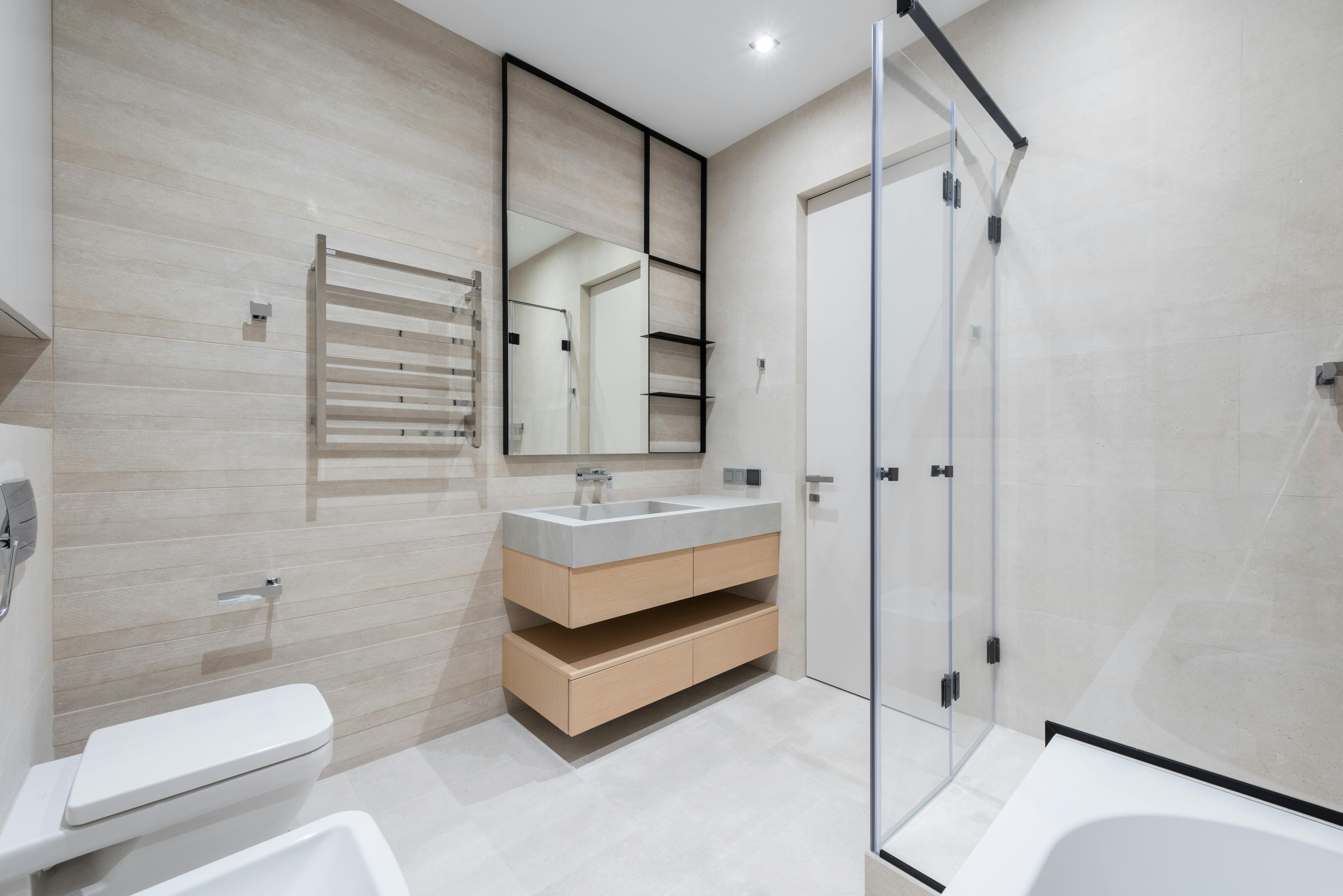
Renovating a bathroom can be an exciting but daunting task, especially when it comes to choosing and installing tiles. A well-tiled bathroom not only enhances the aesthetic appeal but also increases the overall value of a home. Understanding the costs associated with bathroom tile installation is essential for effective budgeting and planning. This guide aims to provide a comprehensive overview of the factors affecting tile installation costs, helping homeowners make informed decisions for their bathroom remodeling projects.
Factors Influencing Bathroom Tile Installation Costs
Several factors come into play when determining the cost of bathroom tile installation. These include:
- Type of Tile: The material of the tile significantly impacts the cost. Options range from affordable ceramic or porcelain tiles to more expensive choices such as natural stone or glass tiles.
- Tile Size and Shape: Larger or uniquely shaped tiles may require special handling and cutting, affecting the overall cost.
- Labor Costs: The complexity of the installation, including patterns or intricate designs, can increase labor expenses.
- Preparation Work: Removing old tiles, leveling the surface, or addressing underlying issues can add to costs.
- Geographic Location: Costs can vary significantly depending on the region and local market prices.
For further insights into budgeting for bathroom tile installation, discover expert strategies here.
Cost Breakdown of Bathroom Tile Installation
Material Costs
Material costs can vary widely based on the type and quality of the tile selected. Heres a general breakdown:
- Ceramic Tiles: Typically range from $1 to $5 per square foot.
- Porcelain Tiles: Generally cost between $3 to $10 per square foot.
- Natural Stone Tiles: Can range from $5 to $30 or more per square foot, depending on the specific stone.
- Glass Tiles: Usually priced between $7 to $30 per square foot.
To ensure the right choice for your project, learn about our tailored solutions.
Installation Costs
Installation costs typically range from $5 to $10 per square foot but can increase based on specific requirements such as:
- Complex Patterns: Intricate designs can raise labor costs due to increased time and skill required.
- Special Treatments: Features like heated floors or waterproofing add to the expenses.
For a comprehensive understanding of the factors involved in installation costs, explore advanced guides and tips.
Additional Considerations
Beyond the basic costs of materials and labor, other factors can affect the total cost of a bathroom tile installation project:
- Waste Factor: Its common to order 10-15% more tiles than needed to account for breakage and cutting.
- Grout and Sealant: Dont forget to include grout and sealant in your budget, which can add $1 to $3 per square foot.
- Permits and Inspections: Depending on local regulations, permits and inspections might be necessary, adding to the overall cost.
For more details on how to manage these additional considerations, find out more about this approach.
Conclusion
Understanding the various elements that contribute to bathroom tile installation costs is crucial for effective planning and budgeting. By considering the type of tile, installation complexity, and additional factors, homeowners can confidently navigate their bathroom remodeling projects. For expert advice and tailored solutions, consulting with professionals can make all the difference in achieving a successful and satisfying outcome.
About the Author