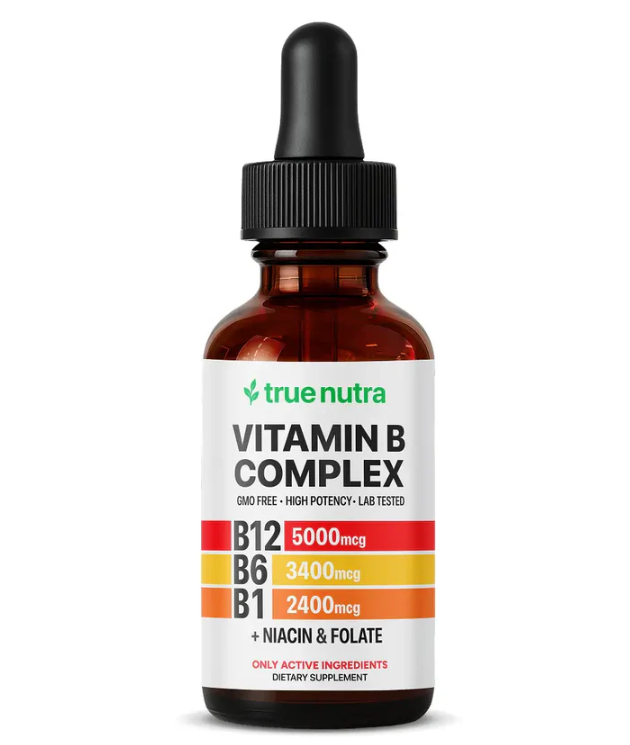
Vitamin B complex plays a pivotal role in converting food into energy, supporting nervous system health, and maintaining healthy skin, hair, and eyes. Because the B-vitamins are water-soluble, the body cannot store them in large quantities, making regular dietary intake essential. A well-balanced diet that includes a variety of nutrient-dense foods can provide the full spectrum of B-vitamins, B1 (thiamine), B2 (riboflavin), B3 (niacin), B5 (pantothenic acid), B6 (pyridoxine), B7 (biotin), B9 (folate), and B12 (cobalamin). Below are the top five natural sources that collectively deliver a comprehensive B-vitamin profile, helping you sustain optimal health without relying heavily on fortified products.
1. Whole Grains – The Foundation of B-Vitamin Intake
Whole grains retain the bran, germ, and endosperm, where the majority of B-vitamins are concentrated. Compared with refined grains, they offer a richer nutrient package.
- Brown rice: High in thiamine, niacin, and B6.
- Oats: Excellent source of pantothenic acid and riboflavin.
- Quinoa: Provides folate and a modest amount of B12 for those following a plant-based diet.
Incorporating a serving of whole grains at each meal, such as a bowl of oatmeal for breakfast or a side of brown rice for dinner, ensures a steady supply of B-vitamins throughout the day.
2. Legumes – Plant-Based Powerhouses
Beans, lentils, and peas are not only rich in protein and fiber but also pack a significant amount of B-vitamins, especially folate and B6.
Key Benefits
- Black beans: Offer up to 30% of the daily value for folate per cup.
- Lentils: Provide B1, B5, and B6, supporting energy metabolism.
- Chickpeas: Contain niacin and biotin, which contribute to healthy skin and hair.
Adding legumes to salads, soups, or as a meat substitute can boost your B-vitamin intake while also delivering complex carbohydrates and plant-based protein.
3. Leafy Greens – Micronutrient Rich Greens
Dark, leafy vegetables are celebrated for their iron and calcium content, but they also supply substantial amounts of folate and riboflavin.
- Spinach: One cup cooked delivers over 15% of the recommended folate.
- Kale: Contains riboflavin and niacin, supporting cellular energy production.
- Swiss chard: Offers a blend of B5 and B6, essential for neurotransmitter synthesis.
Consuming a variety of greens, whether raw in a smoothie or lightly saut??ed, helps maintain consistent B-vitamin levels, especially for individuals who limit animal products.
4. Animal Products – Complete Sources of B12
While many plant foods provide most B-vitamins, vitamin”?B12 is naturally found almost exclusively in animal-derived foods. This vitamin is critical for red blood cell formation and neurological function.
- Eggs: Contain B12, riboflavin, and biotin, making them a compact source of multiple B-vitamins.
- Lean meats (chicken, turkey, beef): Rich in niacin, B6, and B12.
- Fish (salmon, trout, tuna): Offer high levels of B12, B6, and pantothenic acid.
For those who consume animal products, regular portions of these foods can easily meet daily B-vitamin requirements. However, individuals on strict vegan diets may consider fortified foods or a supplement to bridge the B12 gap.
5. Nuts & Seeds – Convenient, Nutrient-Dense Snacks
Nuts and seeds deliver a blend of B-vitamins, healthy fats, and antioxidants, making them ideal for on-the-go nutrition.
- Sunflower seeds: High in niacin and B6.
- Almonds: Provide riboflavin and folate.
- Walnuts: Contain B5 and small amounts of B12 in fortified varieties.
Including a handful of mixed nuts or sprinkling seeds over yogurt can enhance both flavor and B-vitamin density without adding excessive calories.
Optimizing B-Vitamin Absorption
Several lifestyle factors influence how efficiently the body utilizes B-vitamins:
- Cooking methods: Steaming or lightly saut??ing preserves water-soluble B-vitamins better than prolonged boiling.
- Alcohol consumption: Excessive intake can impair absorption, particularly of thiamine and folate.
- Gut health: A balanced microbiome supports the synthesis of certain B-vitamins, such as biotin and B12, especially in vegetarians.
When dietary sources are insufficient or specific health conditions affect absorption, a high-quality supplement may be advisable. For instance, a well-formulated Vitamin B Complex can fill gaps while delivering the vitamins in bioavailable forms.
Conclusion – Building a Balanced B-Vitamin Profile
Integrating whole grains, legumes, leafy greens, animal products (or fortified alternatives), and nuts & seeds creates a diversified dietary pattern that naturally supplies the full spectrum of vitamin”?B complex. By paying attention to cooking techniques, limiting alcohol, and supporting gut health, individuals can maximize absorption and reap the energetic, neurological, and dermatological benefits of these essential nutrients. For those seeking an extra safety net, a carefully chosen supplement, such as a liquid B-complex formula, offers a convenient way to ensure daily adequacy without compromising a whole-food focus.
About the Author