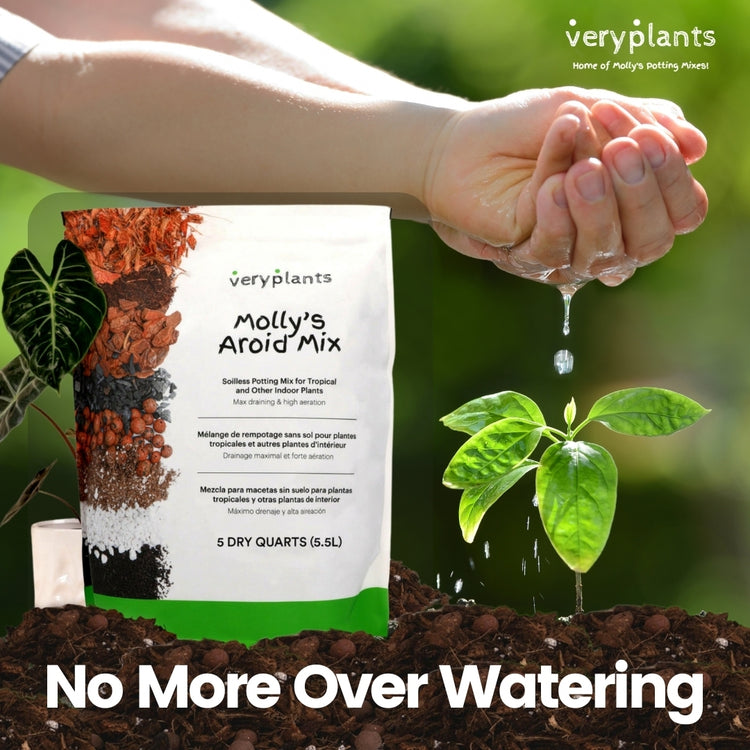
Growing healthy plants is a passion for many, and choosing the right medium can significantly impact plant growth and health. One increasingly popular option is the use of a soilless potting mix, which offers numerous advantages over traditional soil-based options. A soilless potting mix is a blend of materials that provide support and nutrients to plants without the need for soil. This type of mix is especially beneficial for indoor gardening, container gardening, and hydroponic systems. Understanding the benefits of using a soilless potting mix can help gardeners achieve vibrant and healthy plants.
What is Soilless Potting Mix?
A soilless potting mix is composed of various organic and inorganic materials designed to create an optimal environment for plant growth. Common components may include:
- Peat moss or coconut coir for moisture retention.
- Perlite or vermiculite for aeration and drainage.
- Compost or worm castings for nutrient richness.
- Sand or bark for structure and stability.
These components work together to ensure that plants receive adequate water, nutrients, and oxygen, which are crucial for thriving growth.
Advantages of Using Soilless Potting Mix
Improved Drainage and Aeration
One of the primary benefits of a soilless potting mix is its superior drainage and aeration compared to traditional soil. The inclusion of materials like perlite and vermiculite promotes excellent air circulation around the plant roots, preventing waterlogging and root rot. This is especially beneficial when growing plants in containers, where soil compaction can be a common issue.
Consistent Nutrient Availability
Soilless mixes often come pre-fortified with nutrient-rich components like compost or vermicompost. This ensures a consistent supply of essential nutrients, reducing the need for frequent fertilization and allowing plants to access what they need for sustained growth. Gardeners can further customize the nutrient profile by adding specific fertilizers according to plant needs.
Reduced Risk of Pests and Diseases
Traditional soil can harbor pests, weeds, and diseases that may harm plants. Switching to a soilless potting mix minimizes these risks, as the components are often sterilized or naturally devoid of common soil-borne pathogens. This creates a cleaner and healthier growing environment, particularly valuable for indoor gardening where pest control can be challenging.
Environmental Benefits
Using a soilless potting mix can also contribute to environmental sustainability:
- Reduces the need for peat harvesting, which can damage natural habitats.
- Promotes the use of renewable resources, such as coconut coir.
- Minimizes water usage through efficient moisture retention and distribution.
These factors make soilless mixes an appealing choice for environmentally conscious gardeners.
Applications in Various Gardening Practices
Indoor and Container Gardening
For indoor or container gardening, where space and soil quality can be limiting, a soilless potting mix offers an ideal solution. Its lightweight nature and excellent moisture control make it perfect for potted plants and hanging baskets.
Hydroponics and Aquaponics
Soilless mixes are also integral to hydroponic and aquaponic systems, where plants grow in nutrient-rich water solutions. The mix serves as a medium to support the plants while allowing roots to access water and nutrients efficiently.
Conclusion
The use of a soilless potting mix presents numerous advantages for gardeners seeking to cultivate healthy plants. From improved aeration and drainage to enhanced pest and disease resistance, these mixes provide a versatile and sustainable alternative to traditional soil. Whether for indoor gardening, hydroponics, or outdoor containers, the benefits are clear. By embracing this innovative growing medium, gardeners can enjoy vibrant, thriving plants with less effort and greater environmental responsibility.
About the Author