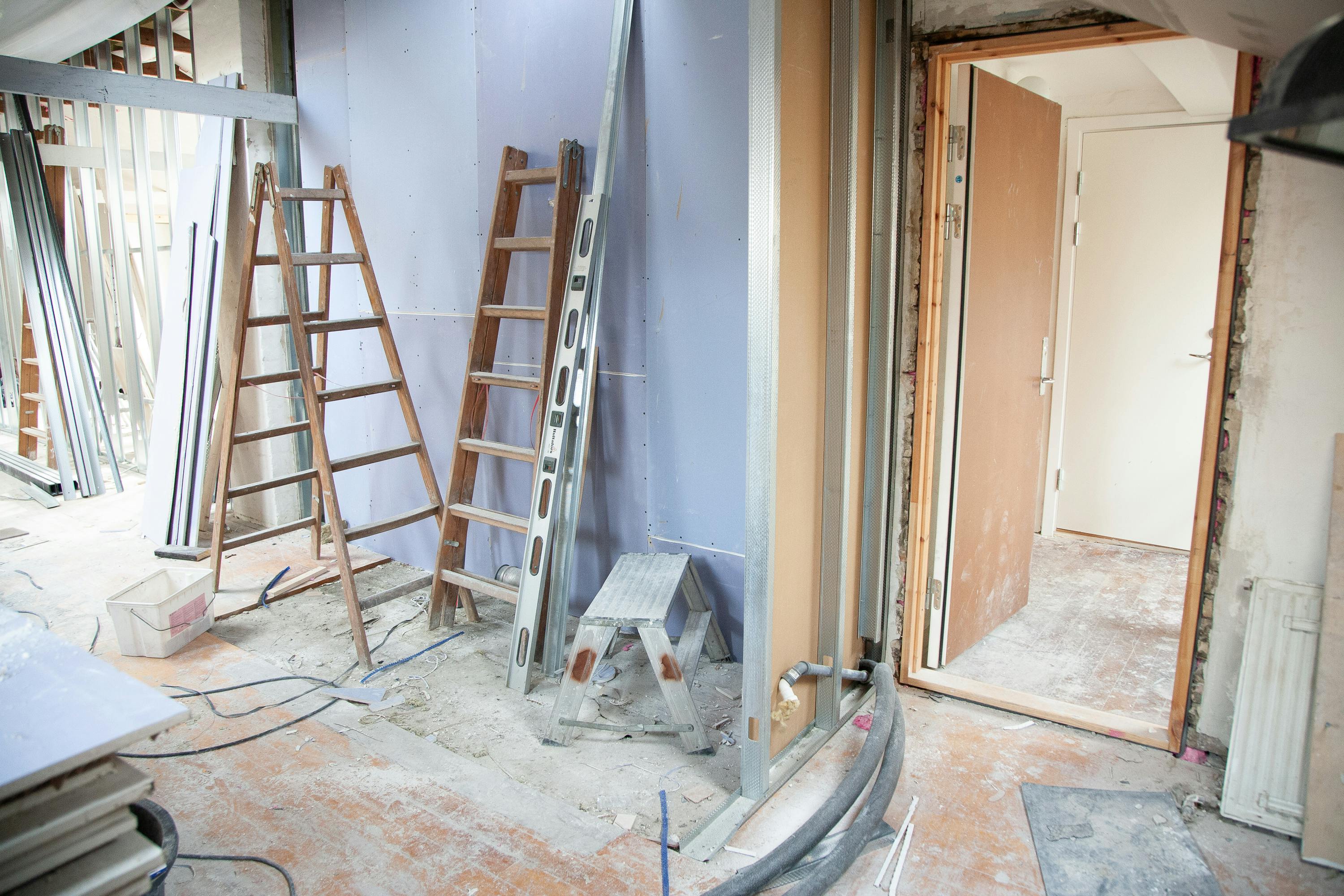
Home renovation projects can dramatically improve the functionality, aesthetic appeal, and market value of a property. However, achieving high-quality results requires careful planning, skilled craftsmanship, and a clear understanding of the renovation process. Professional home renovation contractors bring the expertise needed to navigate building codes, manage timelines, and coordinate trades, ensuring that each phase of the project is executed efficiently and safely. This article outlines the key considerations when selecting a contractor, the typical stages of a renovation, and best practices for maintaining a successful partnership throughout the work.
Why Hire Professional Renovation Contractors?
Engaging qualified professionals offers several advantages over DIY attempts or hiring unvetted labor:
- Technical Expertise: Certified contractors possess the training required to handle structural modifications, electrical upgrades, and plumbing installations in compliance with local regulations.
- Project Management: A professional team coordinates subcontractors, schedules inspections, and monitors budget adherence, reducing the risk of costly delays.
- Quality Assurance: Established contractors follow industry standards for material selection and workmanship, resulting in durable finishes that stand the test of time.
- Safety and Liability: Licensed contractors carry insurance that protects homeowners from potential accidents or property damage during the renovation.
For a deeper dive into the benefits of professional services, Read more about this topic.
Key Steps in the Renovation Process
1. Initial Consultation and Planning
The first phase involves a thorough assessment of the homeowner’s goals, budget constraints, and timeline expectations. Contractors typically provide a detailed scope of work that outlines:
- Design concepts and material options.
- Estimated costs broken down by labor, materials, and permits.
- Projected schedule with milestones for each trade.
Understanding this roadmap helps homeowners make informed decisions before any physical work begins. Learn more in this detailed guide.
2. Design Development and Permitting
Once the scope is approved, designers and architects collaborate to produce construction drawings that meet both aesthetic and regulatory requirements. Contractors then submit the necessary permit applications to local authorities, a step that can be time-consuming but is essential for legal compliance.
3. Demolition and Site Preparation
Safe demolition removes existing structures while preserving elements that will be reused. Proper site preparation includes:
- Protecting flooring, fixtures, and surrounding areas.
- Establishing temporary utilities for workers.
- Implementing dust control measures.
4. Structural Work and Rough-In
This stage covers framing, wall erection, and the installation of core systems such as electrical wiring, plumbing lines, and HVAC ducts. Inspections are typically required at this point to verify compliance before proceeding.
5. Finishing Trades
After the rough-in is approved, finish work begins, including:
- Drywall installation and finishing.
- Flooring (hardwood, tile, carpet, etc.).
- Cabinetry, countertops, and millwork.
- Painting, trim, and final hardware.
6. Final Inspection and Handover
The contractor coordinates a final walkthrough with the homeowner and the building department to ensure all work meets the agreed specifications. A punch-list is created to address any minor deficiencies before the project is officially closed.
For additional insights on navigating each phase, Explore further insights here.
Choosing the Right Contractor
Selecting a qualified professional involves more than just reviewing a portfolio. Consider the following criteria:
- Licensing and Insurance: Verify that the contractor holds all required state and local licenses and carries general liability and workers’ compensation coverage.
- Experience with Similar Projects: Ask for examples of past work that align with the scope of your renovation.
- Transparent Pricing: A reputable contractor provides a detailed estimate and explains any potential cost variations.
- Communication Style: Effective collaboration depends on clear, responsive communication throughout the project.
- References and Reputation: While avoiding promotional language, independent references can confirm reliability and workmanship quality.
Guidelines for vetting contractors can be found at Find additional information here.
Best Practices for a Successful Renovation
Even with a top-tier contractor, homeowners play a vital role in keeping the project on track. Adopt these practices to minimize disruptions and ensure a smooth process:
- Define Clear Objectives: Document desired outcomes, material preferences, and functional requirements before work begins.
- Maintain a Realistic Budget: Allocate a contingency (typically 10-15″?%) for unforeseen issues such as hidden water damage or code upgrades.
- Schedule Regular Check-Ins: Weekly or bi-weekly meetings help address concerns early and keep the timeline aligned.
- Protect Personal Belongings: Store valuables and fragile items in a secure area away from the work zone.
- Stay Informed About Permits: Understand which inspections are required and ensure they are scheduled promptly.
Conclusion
Professional home renovation contractors serve as the backbone of any successful remodel, offering the technical skill, project oversight, and safety assurances that DIY efforts often lack. By carefully evaluating credentials, understanding the renovation workflow, and maintaining open communication, homeowners can achieve high-quality results that enhance both livability and property value. For a comprehensive resource on navigating renovation projects, consider exploring additional material through the links provided throughout this article.
About the Author