Pottery has been a beloved art form for centuries, offering a tactile connection to history and culture. Among the many pottery techniques, wheel throwing stands out as both a challenging and rewarding skill. For those seeking to master this craft, a visit to a pottery studio in Montreal can be an enriching experience. This guide is designed to provide insights into the world of wheel throwing, highlighting the tools, techniques, and benefits that come with honing this art form.
Understanding Wheel Throwing
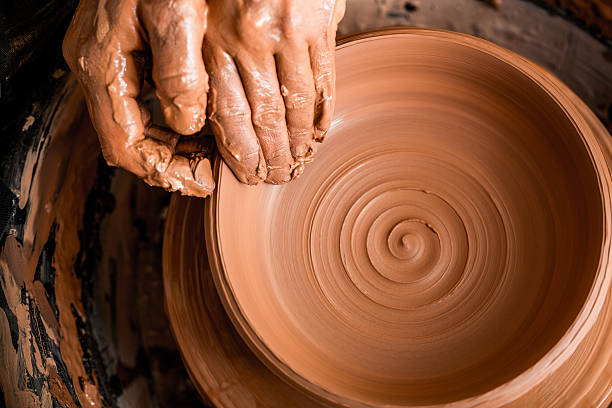
Wheel throwing is an intricate process where clay is shaped into pottery using a pottery wheel. This technique requires precision, patience, and practice. Here are some fundamental aspects:
- Tools: Essential tools include the pottery wheel, clay, and shaping instruments like ribs and loop tools.
- Process: The clay is centered on the wheel, then shaped through a combination of hand movements and wheel speed adjustments.
- Skills: Mastery involves developing a feel for the clay, understanding its limitations, and learning to manipulate it into desired forms.
The Pottery Studio Experience
Choosing the Right Studio
When selecting a pottery studio in Montreal, consider the following:
- Facilities: Look for studios with well-maintained equipment and a variety of tools to enhance the learning experience.
- Instructors: Experienced instructors can provide invaluable guidance and support throughout the learning process.
- Community: A welcoming and supportive community can enhance the creative journey.
Benefits of Studio Learning
Engaging with a pottery studio offers several advantages:
- Structured Learning: Classes provide a structured approach to learning wheel throwing techniques.
- Creative Environment: Studios offer a space where creativity can flourish without distractions.
- Feedback and Support: Immediate feedback from instructors and peers helps refine skills and encourages growth.
The Art of Pottery Turning
Pottery turning is a key component of wheel throwing, involving the trimming and refining of a piece once it has been partially dried. This process helps define the final shape and adds intricate details. Techniques include:
- Trimming: Removing excess clay from the base and refining the form for balance and aesthetics.
- Detailing: Adding textures and patterns to enhance the visual appeal of the piece.
Mastering pottery turning requires practice and an eye for detail, but it significantly elevates the quality of the finished product.
Conclusion
Wheel throwing is more than just a craft; it’s a journey of self-expression and skill development. Whether a novice or an experienced potter, the art of wheel throwing offers endless opportunities for creativity and personal growth. By engaging with a pottery studio in Montreal, enthusiasts can immerse themselves in a nurturing environment that supports learning and artistic exploration. The right studio, coupled with dedication and practice, can transform wheel throwing from a hobby into a cherished art form.
About the Author