In today’s fast-moving marketplace, visual storytelling has become a decisive factor for brand differentiation. High-quality commercial video production not only captures attention but also translates complex messages into memorable experiences. By leveraging cutting-edge equipment, strategic planning, and seasoned creative talent, businesses can convey credibility, spark emotion, and drive measurable results. Understanding the core components of professional video production helps organizations make informed decisions and maximize return on investment.
Key Elements of a Successful Commercial Video
Effective commercial videos share a common framework that balances creativity with strategic intent. The following components are essential for delivering a polished final product:
- Concept Development: A clear narrative that aligns with brand objectives and audience expectations.
- Pre-Production Planning: Detailed scripts, storyboards, location scouting, and talent casting ensure a smooth shoot.
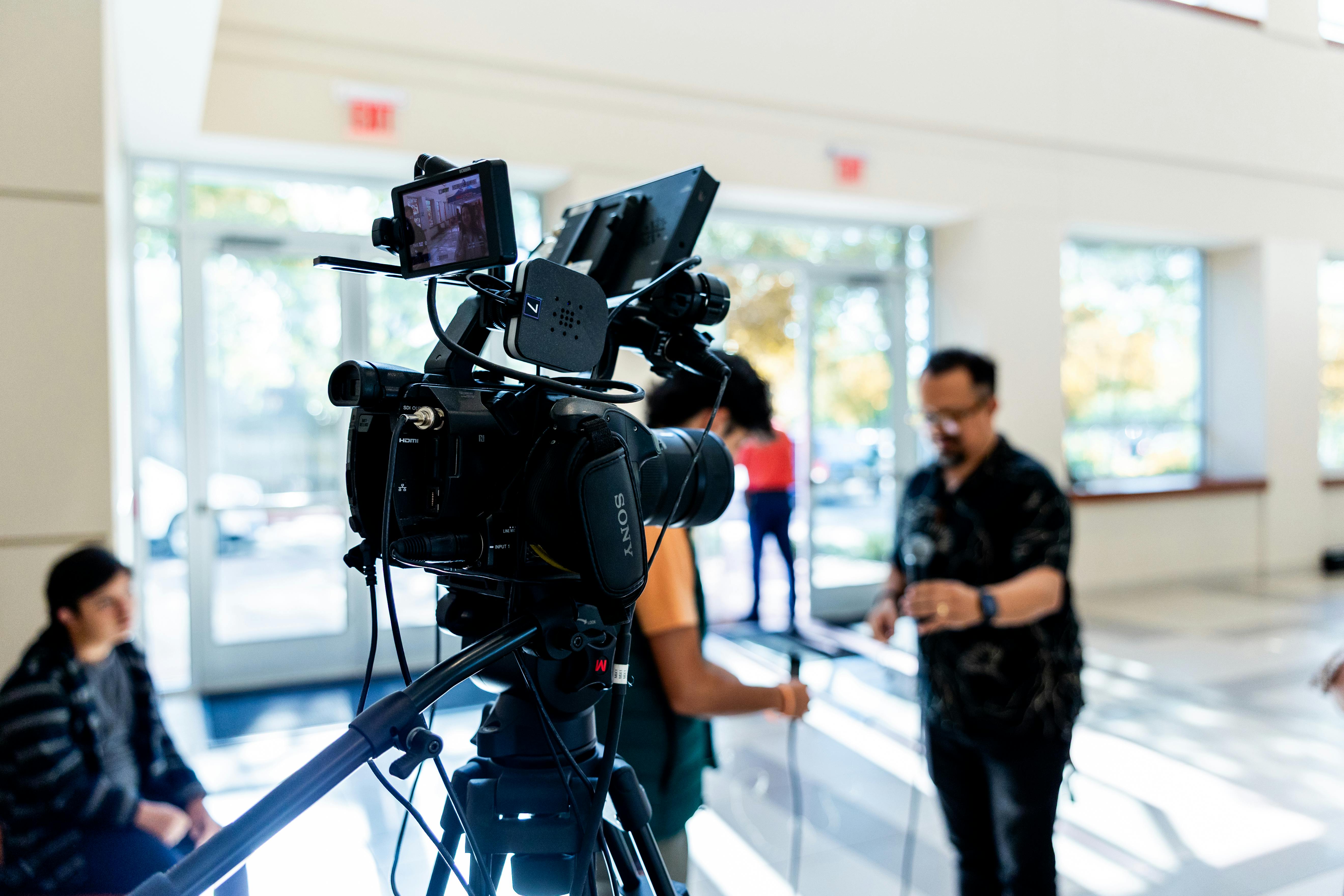
- Production Quality: Utilization of high-resolution cameras, professional lighting, and crisp audio capture.
- Post-Production Excellence: Editing, color grading, motion graphics, and sound design bring the story to life.
- Distribution Strategy: Tailoring formats for platforms such as TV, social media, and websites to reach target viewers.
Concept Development and Storytelling
Strong storytelling begins with a well-defined concept. Research into market trends, consumer behavior, and competitor positioning informs a narrative that resonates. For deeper insight into crafting compelling narratives, Discover expert strategies here offers a wealth of industry-tested approaches.
Pre-Production Essentials
Pre-production is the backbone of any video project. A meticulous schedule, budget outline, and risk assessment prevent costly overruns. Key tasks include:
- Scriptwriting with clear calls-to-action.
- Storyboard creation to visualize each scene.
- Location permits and logistical coordination.
- Talent contracts and wardrobe planning.
Guidelines on optimizing pre-production workflows can be found at Learn about our tailored solutions, which outlines best practices for efficient planning.
Production Techniques That Elevate Commercials
During the shoot, technical precision and creative direction converge. Professional crews employ a range of techniques to ensure visual consistency and impact:
- Lighting Design: Three-point lighting, diffusion, and color temperature control set the mood.
- Camera Movement: Stabilized rigs, drones, and sliders add dynamic perspective.
- Audio Capture: Directional microphones and boom rigs capture clean dialogue and ambient sound.
- On-Set Review: Real-time playback monitors for immediate quality checks.
For a deeper dive into advanced production methods, Explore advanced guides and tips provides actionable recommendations used by top industry professionals.
Post-Production: From Raw Footage to Refined Message
The editing suite is where storytelling is sharpened. Color grading aligns visual tone with brand identity, while motion graphics reinforce key messages. Sound design, including voice-overs and music licensing, completes the sensory experience. Detailed case studies illustrating effective post-production workflows are available at Find out more about this approach.
Measuring Impact and Ensuring ROI
Beyond creation, the true value of a commercial lies in its performance metrics. Tracking tools and analytics help quantify audience engagement, conversion rates, and brand lift. Important indicators include:
- View-through rates (VTR) on digital platforms.
- Click-through rates (CTR) for call-to-action elements.
- Social shares and sentiment analysis.
- Lead generation and sales attribution.
Integrating video performance data with broader marketing dashboards enables continuous optimization. Resources for aligning video analytics with business goals can be accessed through Discover expert strategies here.
Choosing the Right Production Partner
Selecting a seasoned production partner ensures that each phase, from concept to distribution, is executed with expertise. Consider the following criteria when evaluating potential collaborators:
- Portfolio showcasing diverse commercial styles.
- Technical capabilities, including 4K, HDR, and VR support.
- Transparent project management processes.
- Proven track record of delivering on schedule and budget.
Industry leaders often provide comprehensive guides to help clients assess suitability. For an objective overview of partnership best practices, visit Learn about our tailored solutions.
Future Trends in Commercial Video Production
Staying ahead of emerging trends positions brands to capture new audience segments. Anticipated developments include:
- Interactive Video: Clickable elements that allow viewers to navigate content in real time.
- Artificial Intelligence: AI-driven editing, script generation, and personalization.
- Short-Form Vertical Formats: Optimized for mobile-first platforms like TikTok and Instagram Reels.
- Sustainable Production: Eco-friendly practices reducing carbon footprints on set.
Insights into how these trends are reshaping the industry are regularly updated at Explore advanced guides and tips, offering actionable steps for early adoption.
Conclusion
Commercial video production blends artistic vision with strategic precision. By mastering concept development, meticulous planning, high-quality execution, and data-driven evaluation, businesses can create compelling visual assets that drive brand growth. Leveraging the expertise of seasoned professionals and staying attuned to evolving technologies ensures that each commercial not only captures attention but also delivers measurable results.
About the Author