Vitamin”?C remains one of the most researched and widely used dietary supplements, prized for its antioxidant properties, immune-supporting role, and contribution to collagen synthesis. With an ever-expanding market of gummies, tablets, powders, and liquid drops, selecting the right product can feel overwhelming. This guide breaks down the science, the formats, and the practical criteria needed to identify the most effective vitamin”?C supplement for individual health goals, lifestyle, and budget.
Why Vitamin”?C Matters
Beyond the classic “cold-prevention” reputation, vitamin”?C influences several physiological pathways:
- Antioxidant defense: Neutralises free radicals, reducing oxidative stress that can accelerate cellular aging.
- Collagen production: Essential for skin elasticity, joint health, and wound healing.
- Immune modulation: Supports white-blood-cell function and enhances barrier integrity of skin and mucous membranes.
- Iron absorption: Converts ferric iron to the more absorbable ferrous form, helping prevent anemia.
Common Forms of Vitamin”?C Supplements
Tablets and Capsules
Traditional tablets and capsules are convenient, stable, and often contain higher dosages. They are ideal for those who prefer a straightforward, no-mess approach.
Gummies
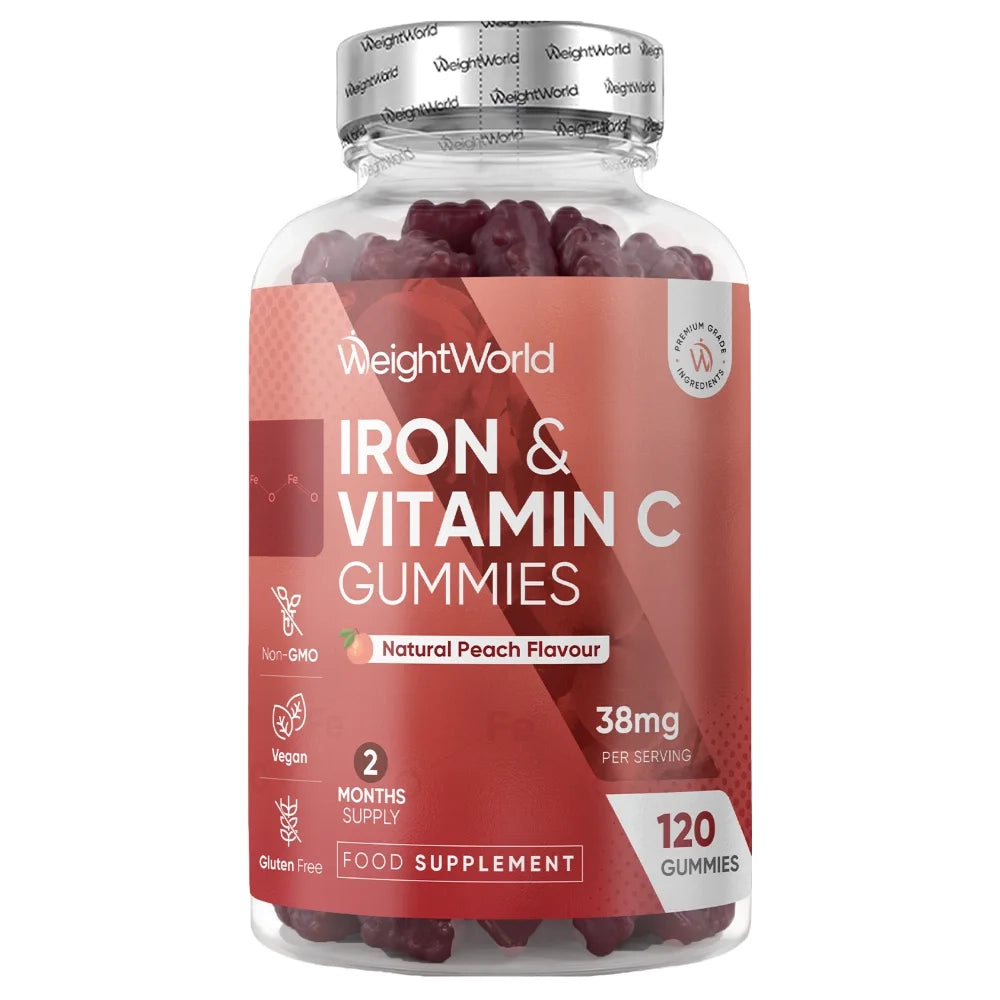
Gummies combine taste with nutrition, making them popular among adults who dislike swallowing pills. However, they may contain added sugars or sugar-alcohols, which can affect caloric intake.
Powders and Effervescent Tablets
These dissolve in water, offering rapid absorption and the ability to adjust dosage. They are useful for athletes or individuals who want to hydrate while supplementing.
Liquid Drops
Liquid formulations are often the most bioavailable, as they bypass the need for disintegration. They are also suitable for those with swallowing difficulties.
Key Criteria for Selecting the Best Vitamin”?C Vitamins
When evaluating options, focus on the following evidence-based factors rather than marketing hype:
- Dosage: The Recommended Dietary Allowance (RDA) for adults is 90″?mg for men and 75″?mg for women. Supplements typically range from 100″?mg to 1,000″?mg per serving. Higher doses may be beneficial during periods of intense stress or illness, but chronic megadoses can cause gastrointestinal upset.
- Form of Ascorbic Acid: Look for “ascorbic acid” or “buffered vitamin”?C” (e.g., calcium ascorbate, sodium ascorbate). Buffered forms are gentler on the stomach.
- Bioavailability Enhancers: Ingredients such as bioflavonoids, citrus bioflavonoids, or rosehip extract can improve absorption.
- Purity and Additives: Choose products with minimal fillers, artificial colours, or unnecessary sweeteners. A short ingredient list is often a sign of quality.
- Third-Party Testing: Certifications from labs like NSF, Informed-Choice, or USP indicate that the label accurately reflects the contents.
How to Identify a Good Vitamin”?C Supplement
Applying the criteria above, a good vitamin c supplement typically exhibits:
- Transparent labeling with exact milligram content per serving.
- Absence of allergens unless clearly stated (e.g., gluten-free, dairy-free).
- Positive consumer reviews that reference taste, digestibility, and effectiveness.
- Reasonable price per 100″?mg of vitamin”?C, reflecting true value rather than premium branding.
Choosing the Right Format for Your Lifestyle
| Lifestyle | Recommended Form | Key Benefits |
|---|---|---|
| Busy professional | Effervescent tablet or powder | Quick dissolution, easy to carry, adjustable dose |
| Fitness enthusiast | Liquid drops or powder mixed in post-workout shake | Rapid absorption, supports recovery |
| Family with children | Gummies (low-sugar) | Palatable, encourages consistent intake |
| Older adults | Buffered tablets | Gentle on stomach, steady release |
Where to Find the Best Vitamin”?C Supplement in the UK
For consumers based in the United Kingdom, sourcing from reputable retailers that specialise in health and nutrition ensures compliance with local standards. A well-curated collection can be explored through the best vitamin c supplement uk page, which aggregates products that meet stringent quality checks.
Comparing Tablet Options
If tablets are preferred, consider the following differentiators when searching for the best vitamin c tablets:
- Coated vs. uncoated – coated tablets may reduce stomach irritation.
- Presence of synergistic nutrients such as zinc or vitamin”?D.
- Dosage per tablet – larger tablets often contain 500″?mg+ but may be harder to swallow.
Frequently Asked Questions
Can I take vitamin”?C with other supplements?
Vitamin”?C is generally compatible with most multivitamins and minerals. Its antioxidant nature can even enhance the efficacy of iron supplements, provided the iron is taken at a different time to avoid competition for absorption.
Is more vitamin”?C always better?
While short-term high doses (up to 2″?g per day) are tolerated by many, chronic megadoses can lead to kidney stones or gastrointestinal discomfort. Aim for a dose that aligns with your dietary intake and specific health goals.
Do gummies provide the same benefits as tablets?
Gummies deliver the same active ingredient, but the presence of sugars and the lower typical dosage (often 100-250″?mg per gummy) means you may need to consume more pieces to reach the same therapeutic level.
Final Thoughts
Choosing the best vitamin c supplement hinges on understanding personal health needs, evaluating formulation quality, and matching the delivery format to daily routines. By prioritising dosage accuracy, bioavailability, and clean ingredient profiles, consumers can confidently select a product that supports immunity, skin health, and overall vitality without unnecessary additives or inflated claims.
About the Author