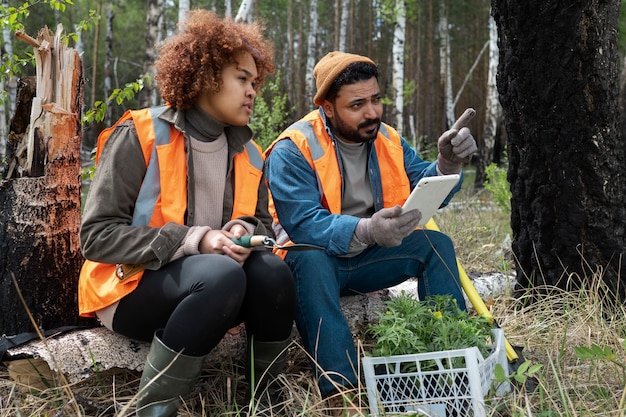
Efforts to enhance biodiversity have gained significant attention in recent years, as the deterioration of ecosystems affects both the environment and human well-being. Biodiversity, the variety of life on Earth, is crucial for ecosystem resilience, providing services such as pollination, water purification, and climate regulation. Professional wildlife management plays a pivotal role in preserving and improving biodiversity. By employing strategic measures and scientific expertise, wildlife management can effectively sustain and increase biodiversity, ensuring the health of ecosystems for future generations.
The Role of Wildlife Management in Biodiversity Conservation
Wildlife management involves the process of managing wildlife populations and their habitats to ensure their sustainability. This practice is essential for maintaining ecological balance and supporting biodiversity. Key aspects of wildlife management include:
- Monitoring wildlife populations to assess their health and numbers.
- Implementing habitat restoration and conservation projects.
- Conducting research to understand species behaviors and needs.
- Regulating hunting and fishing to prevent overexploitation.
- Managing human-wildlife conflicts to reduce negative impacts on biodiversity.
Discover expert strategies here that are essential for the successful implementation of wildlife management practices.
Strategies for Improving Biodiversity
Habitat Restoration
Restoring degraded habitats is a fundamental strategy in enhancing biodiversity. This involves activities such as reforestation, wetland reconstruction, and grassland rehabilitation. These efforts can help revive ecosystems, allowing native species to thrive. Learn about our tailored solutions for effective habitat restoration.
Species Reintroduction
Reintroducing native species to their natural habitats can boost biodiversity by restoring ecological roles that these species play. For instance, predators can help control the populations of prey species, maintaining balance in the food web. Explore advanced guides and tips here on species reintroduction projects.
Community Engagement and Education
Educating communities and involving them in wildlife conservation initiatives are critical for the success of biodiversity improvement programs. Community engagement helps in:
- Raising awareness about the importance of biodiversity.
- Encouraging sustainable practices that support wildlife conservation.
- Fostering a sense of stewardship towards local ecosystems.
Find out more about this approach here and how it can be effectively implemented.
Challenges in Wildlife Management
While wildlife management offers numerous benefits, it also faces several challenges that can impact its success. These include:
- Climate change, which alters habitats and affects species survival.
- Urbanization and land use changes, leading to habitat loss.
- Illegal wildlife trade and poaching, threatening species populations.
Despite these challenges, strategic wildlife management can mitigate negative impacts and foster biodiversity. Readers interested in understanding how these challenges are addressed can explore advanced guides and tips.
The Impact of Technology in Wildlife Management
Technological advancements have significantly enhanced the capabilities of wildlife management. Tools such as GPS tracking, drones, and remote sensing are used to monitor wildlife and habitats more effectively. These technologies provide real-time data, aiding in informed decision-making and timely interventions. See what others are saying about us here regarding the innovative use of technology in wildlife management.
Conclusion
Improving biodiversity through professional wildlife management is a multifaceted effort that requires expertise, strategic planning, and community involvement. By leveraging advanced techniques and technologies, wildlife management can effectively sustain and enhance biodiversity, ensuring the resilience of ecosystems. For further insights and information, check out customer reviews here and learn more about how strategic wildlife management makes a difference.
About the Author