High-traffic commercial spaces, industrial warehouses, and residential garages all demand a floor that can endure heavy use, resist chemicals, and maintain an attractive appearance over time. Premium floor coating services provide the protective layer needed to meet these rigorous demands while enhancing safety, hygiene, and aesthetic value. By selecting the right coating system and applying it with precision, property owners can achieve long-lasting results that reduce maintenance costs and extend the life of the substrate beneath.
Why Choose Premium Floor Coatings?
Investing in a quality coating system is more than a cosmetic upgrade; it is a strategic decision that impacts durability, safety, and overall operational efficiency. The following factors illustrate the tangible benefits of premium floor coatings:
- Enhanced Durability: Advanced polymer blends resist abrasion, impact, and heavy loads, preventing cracks and surface wear.
- Chemical Resistance: Formulations are designed to withstand oils, solvents, acids, and cleaning agents common in industrial environments.
- Slip Resistance: Textured finishes improve traction, reducing slip-and-fall incidents in wet or oily conditions.
- Ease of Maintenance: Smooth, sealed surfaces simplify cleaning and inhibit bacterial growth, crucial for food-service and healthcare facilities.
- Longevity: Properly applied coatings can last 10-15 years, far exceeding the lifespan of traditional sealers.
Key Components of a Successful Coating Project
1. Surface Preparation
The foundation of any lasting coating is thorough surface preparation. This stage typically involves:
- Removing contaminants, dust, and old coatings through grinding or shot blasting.
- Repairing cracks and voids with epoxy fillers to create a uniform substrate.
- Testing moisture levels and pH to ensure optimal adhesion.
Professional preparation minimizes future delamination and guarantees that the coating bonds securely to the concrete.
2. Selecting the Right Coating System
Different environments call for specific coating chemistries. Common options include:
- Epoxy Systems: Ideal for high-traffic areas requiring strong chemical resistance.
- Polyurethane Topcoats: Provide UV stability and a glossy finish for aesthetic appeal.
- Polyaspartic Coatings: Offer rapid cure times and superior temperature tolerance.
For a deeper dive into selecting the appropriate system, Discover expert strategies here.
3. Application Techniques
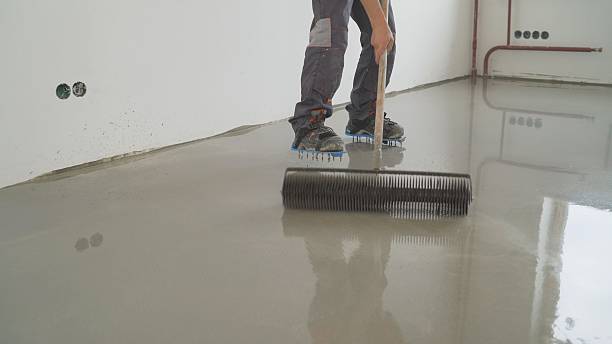
Precision during application ensures uniform thickness and eliminates weak spots. Techniques include:
- Using roller or squeegee methods for even distribution.
- Maintaining controlled temperature and humidity to prevent surface defects.
- Applying multiple layers, primer, base coat, and topcoat, to achieve the desired performance characteristics.
Benefits Specific to Commercial and Industrial Settings
Commercial facilities often face unique challenges that premium coatings address effectively:
- Heavy Machinery Traffic: Reinforced epoxy layers distribute load and prevent indentation.
- Spill Containment: Seamless surfaces prevent liquids from seeping into cracks, simplifying cleanup.
- Regulatory Compliance: Coatings meet OSHA and FDA standards for slip resistance and hygiene.
To explore how these solutions align with industry regulations, Learn about our tailored solutions.
Maintenance Practices for Prolonged Performance
Even the best coatings benefit from routine care. Recommended practices include:
- Regular sweeping and dust-mopping to remove abrasive particles.
- Periodic wet cleaning with pH-neutral detergents.
- Annual inspections for wear, especially in high-impact zones.
- Prompt repair of any chips or scratches using compatible touch-up kits.
Adhering to a maintenance schedule can extend service life by several years. For a comprehensive maintenance guide, Explore advanced guides and tips.
Cost Considerations and Return on Investment
While premium floor coatings represent an upfront investment, the long-term savings are significant. Factors influencing cost include:
- Surface area and complexity of preparation.
- Choice of coating system and number of layers.
- Project timeline and labor rates.
When compared to frequent resurfacing or replacement of traditional flooring, the reduced downtime and lower maintenance expenses result in a favorable ROI. Detailed cost-benefit analyses are available to help decision-makers evaluate options. Find out more about this approach.
Choosing a Qualified Provider
Selecting a contractor with proven expertise ensures the project meets quality standards. Important criteria include:
- Certification in epoxy and polyurethane application.
- Portfolio of completed commercial projects.
- Transparent warranty terms covering both material and workmanship.
- Commitment to safety protocols and environmental compliance.
Professional installers stay current with industry advancements, guaranteeing that the latest technologies are applied correctly.
Conclusion
Premium floor coating services deliver a resilient, safe, and aesthetically pleasing surface that stands up to the demands of modern commercial and industrial environments. By emphasizing meticulous preparation, selecting the appropriate coating system, and following best-practice application methods, property owners can achieve lasting results that protect their investment and enhance operational efficiency. For further information on implementing these solutions, visit the dedicated resource hub at https://cornerstonecoatingsnc.com/.
About the Author