Refreshing a home’s aesthetic and functionality often begins with the bathroom, a space that blends daily routine with personal retreat. A thoughtful remodeling project can increase comfort, improve energy efficiency, and add lasting value to the property. By considering layout, materials, lighting, and modern technology, homeowners can transform an outdated bathroom into a contemporary sanctuary that meets both practical needs and design aspirations.
Planning the Remodel: Key Considerations
Effective bathroom remodeling starts with a clear plan. Understanding the scope, budget, and desired outcomes helps avoid costly changes mid-project.
Assessing Space and Layout
- Measure existing dimensions and note the placement of plumbing fixtures.
- Identify opportunities to reconfigure the layout for better flow, such as moving the vanity or adding a separate shower enclosure.
- Consider accessibility standards if the home will be used by individuals with mobility challenges.
Setting a Realistic Budget
- Allocate funds for core elements: cabinetry, fixtures, flooring, and lighting.
- Include a contingency of 10-15″?% for unexpected expenses.
- Research cost-effective yet durable materials to maximize value.
For a deeper dive into budgeting strategies, Read more about this topic.
Choosing Materials That Balance Style and Durability
Materials define the bathroom’s visual impact and its long-term performance. Selecting the right combinations ensures the space remains attractive and functional for years to come.
Flooring Options
- Porcelain or ceramic tiles: water-resistant, low maintenance, and available in a wide range of patterns.
- Engineered wood: offers a warm look while resisting moisture better than solid hardwood.
- Vinyl luxury flooring: provides comfort underfoot and mimics natural stone at a lower cost.
Wall Finishes
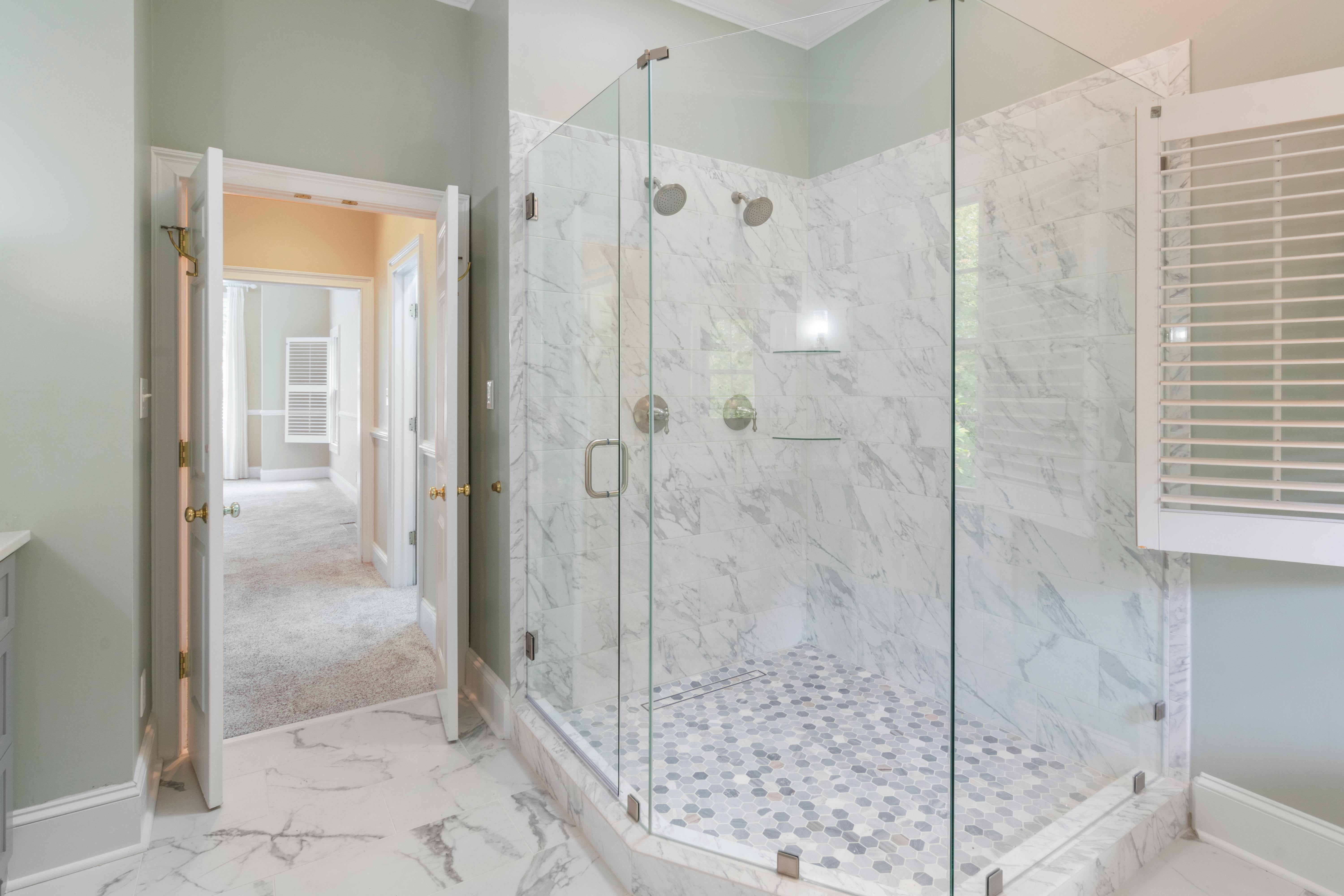
- Large-format tiles reduce grout lines, creating a sleek appearance.
- Water-proof wall panels deliver a seamless look and simplify cleaning.
- Moisture-resistant paint can be used on upper walls for a softer, customizable palette.
To explore material trends and performance data, Learn more in this detailed guide.
Modern Fixtures and Technology
Integrating contemporary fixtures and smart technology enhances both comfort and efficiency.
Water-Saving Solutions
- Low-flow faucets and showerheads reduce water consumption without sacrificing pressure.
- Dual-flush toilets offer adjustable flushing options for different waste types.
- Sensor-activated faucets promote hygiene and minimize waste.
Smart Bathroom Features
- LED mirrors with built-in lighting and anti-fog technology.
- Programmable shower systems that remember temperature preferences.
- Touch-less waste bins and automatic lighting for a hands-free experience.
For an overview of emerging bathroom technologies, Explore further insights here.
Lighting Design for Function and Ambiance
Effective lighting balances task illumination with mood-setting ambience. A layered approach typically yields the best results.
- Recessed ceiling lights provide even, general illumination.
- Vanity sconces positioned on either side of the mirror reduce shadows for grooming tasks.
- Accent lighting, such as LED strips behind a floating vanity, adds depth and visual interest.
- Dimmer switches allow adjustment of light levels to suit different activities.
For guidance on selecting lighting fixtures and placement strategies, Find additional information here.
Project Execution: Timeline and Coordination
Keeping the remodel on schedule requires coordination among contractors, suppliers, and the homeowner.
- Establish a detailed project timeline with milestones for demolition, rough-in work, and finish installation.
- Schedule deliveries of tiles, fixtures, and cabinetry to align with construction phases.
- Maintain open communication channels to address issues promptly and avoid delays.
Minimizing Disruption
- Temporarily set up a portable bathroom if the main facility will be unavailable.
- Plan work hours to reduce impact on daily routines.
- Use protective coverings on adjacent rooms to keep dust contained.
Final Touches: Personalizing the Space
The finishing details bring personality and cohesion to the remodeled bathroom.
- Choose hardware finishes, such as brushed nickel, matte black, or polished chrome, to complement the overall design.
- Incorporate natural elements like plants or stone accessories for a spa-like atmosphere.
- Add storage solutions, including recessed niches, floating shelves, or built-in cabinets, to keep the space organized.
When all components work together, the result is a bathroom that feels both luxurious and functional, reflecting the homeowner’s style while meeting modern standards of efficiency.
Conclusion
Bathroom remodeling offers a strategic opportunity to refresh a home’s interior, improve everyday comfort, and increase property value. By carefully planning the layout, selecting durable materials, embracing smart fixtures, and executing the project with clear communication, homeowners can achieve a seamless transformation. For additional resources and expert guidance on each step of the process, consider exploring reputable remodeling references online.
About the Author