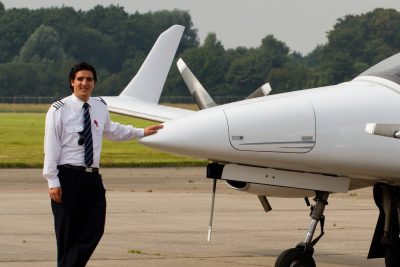
Unlocking the potential within oneself to soar the skies as a private pilot is a dream nurtured by many. A Private Pilot Course serves as the foundational step for aspiring aviators, transforming novices into confident pilots capable of navigating the complexities of aviation. This journey is not just about learning to fly; it involves mastering the art of aviation, understanding intricate airspace regulations, and building a solid foundation in flight theory. The course offers a blend of theoretical knowledge and practical experience, ensuring participants are well-prepared to embrace the skies.
Understanding the Private Pilot Course
The Private Pilot Course is designed to equip aspiring pilots with a comprehensive understanding of flight principles, safety protocols, and aviation regulations. This course is the first step towards obtaining a Private Pilot License (PPL), which allows individuals to fly for personal and recreational purposes.
Course Components
- Ground School: A critical component where students learn aviation theory, including meteorology, navigation, and flight planning.
- Flight Training: Hands-on experience in flying an aircraft under the guidance of experienced instructors.
- Examinations: Both written and practical exams to assess understanding and competency in flying.
The Journey from Enthusiast to Pilot
Anyone can embark on the journey to becoming a private pilot, but understanding the steps involved is crucial for success. This journey begins with enrolling in a reputable flight school that offers a structured program tailored to individual needs.
Steps to Success
- Research and select an accredited flight school that aligns with personal goals.
- Complete the required flight hours under professional supervision.
- Pass the theoretical and practical examinations to achieve certification.
- Engage in continuous learning and skill enhancement to maintain proficiency.
For those interested in furthering their aviation journey, discover expert strategies here for advancing beyond the Private Pilot License.
Benefits of Pursuing a Private Pilot Course
The advantages of completing a Private Pilot Course extend beyond the ability to fly. It fosters personal growth, enhances decision-making skills, and provides a unique perspective on the world.
Key Benefits
- Personal Fulfillment: Achieving the dream of flight is an unparalleled accomplishment.
- Career Opportunities: Opens doors to advanced certifications and professional aviation roles.
- Networking: Connect with a community of aviation enthusiasts and professionals.
For those ready to take flight, learn about our tailored solutions to meet specific aviation goals.
Challenges and Overcoming Them
While the journey to becoming a private pilot is rewarding, it is not without its challenges. Students must be prepared to face hurdles such as rigorous training schedules and mastering complex technical knowledge.
Overcoming Challenges
- Time Management: Balancing training with personal commitments requires strategic planning.
- Financial Investment: Aviation training is an investment in one’s future; budgeting and financial planning are crucial.
- Continuous Learning: Staying updated with the latest aviation trends and regulations is essential for safety and proficiency.
To navigate these challenges effectively, explore advanced guides and tips designed to support aspiring pilots.
Conclusion
The path to becoming a private pilot is as thrilling as it is demanding. It requires dedication, passion, and a commitment to mastering the skies. By enrolling in a comprehensive Private Pilot Course, individuals can unlock their potential and embark on a journey that promises both personal satisfaction and professional advancement. For those ready to take the first step, find out more about this approach to ensure a successful and fulfilling aviation career.
About the Author