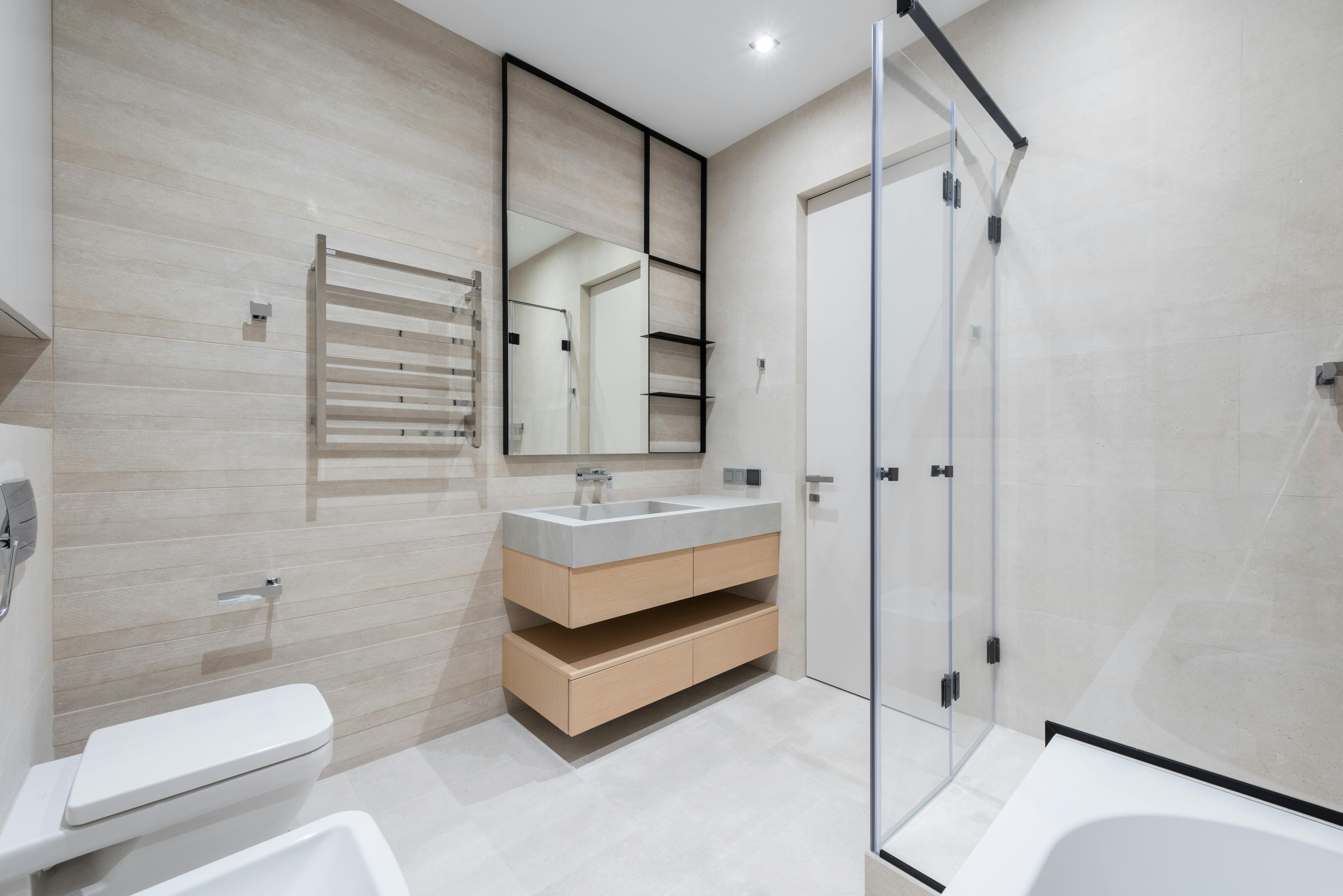
Imagine stepping out of a warm shower onto a cold bathroom floor. Its an experience that many wish to avoid, especially during the colder months. Heated bathroom floors offer a luxurious solution, providing warmth and comfort underfoot. Installing heated flooring can transform your bathroom into a personal spa while increasing your home’s value. This guide will walk you through the essentials of heated bathroom floor installation, offering insights into the process, necessary materials, and potential pitfalls to avoid.
Understanding Heated Flooring
Heated flooring, also known as radiant floor heating, uses either electric cables or hydronic systems to generate heat. Heres a quick overview:
- Electric Systems: These systems use electric cables or mats installed under the flooring material. They are easier to install and are ideal for small areas.
- Hydronic Systems: Utilizing hot water pipes, these systems are more complex and better suited for larger installations. They are more efficient for whole-house heating.
Find out more about this approach to determine which system best suits your needs.
Planning Your Installation
Proper planning is crucial for a successful installation. Consider the following steps:
Assess Your Bathroom Layout
Evaluate the size and shape of your bathroom. Measure the space to ensure accurate calculations for materials and heating capacity.
Choose the Right Flooring Material
Some flooring materials work better with heated systems than others. Opt for:
- Tile and Stone: Excellent conductors of heat, making them ideal for radiant systems.
- Vinyl and Laminate: Must be specifically rated for heated floors to prevent damage.
Learn about our tailored solutions to select the best materials for your project.
Installation Process
The installation of heated flooring requires attention to detail and adherence to safety standards. Here’s what to expect:
Prepare the Subfloor
Ensure the subfloor is clean, dry, and level. Any imperfections can affect the performance of your heated floor.
Install the Heating System
Follow the manufacturers instructions carefully. For electric systems, lay the cables or mats evenly across the floor. In hydronic systems, ensure pipes are securely placed.
Discover expert strategies here to ensure a flawless installation.
Connect the Thermostat
A thermostat is essential for controlling the temperature of your heated floor. Ensure it is correctly installed and calibrated.
Final Considerations
Before finalizing your installation, keep in mind:
- Professional Help: While DIY installation is possible, hiring a professional can ensure safety and efficiency.
- Energy Efficiency: Modern thermostats and proper insulation can significantly reduce energy consumption.
Explore advanced guides and tips for optimizing your heated floor system.
In conclusion, heated bathroom floors can enhance comfort and add value to your home. By understanding the options and following a structured plan, you can successfully install a system that meets your needs. For additional guidance and professional insights, consult specialized resources to make informed decisions about your heated floor installation.
About the Author