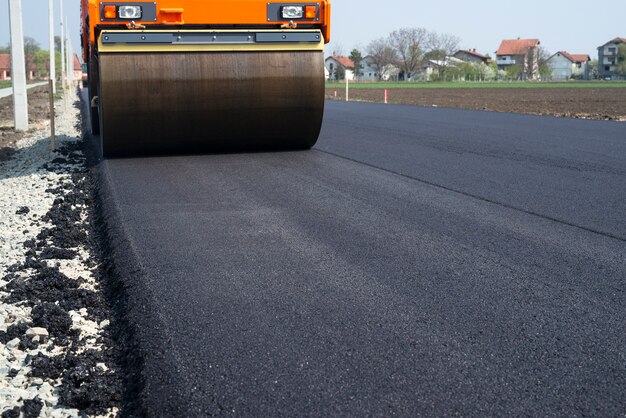
Asphalt crack repair is a crucial component of maintaining the longevity and aesthetics of paved surfaces. Over time, weather conditions, traffic, and other environmental factors can lead to the formation of cracks on asphalt surfaces. If left untreated, these cracks can expand, leading to more significant damage and costly repairs. Therefore, understanding how to effectively repair asphalt cracks is essential for property owners and maintenance professionals alike. This article provides expert tips on asphalt crack repair, offering insights into the tools, techniques, and strategies that ensure optimal results.
Understanding Asphalt Cracks
The first step in effective asphalt crack repair is understanding the different types of cracks that can occur:
- Hairline Cracks: These are minor cracks that appear on the surface and can be a precursor to more severe damage.
- Block Cracks: These are interconnected cracks that form a pattern resembling a block or grid. They often result from shrinkage and temperature fluctuations.
- Edge Cracks: Found along the perimeter of the pavement, these cracks can result from poor drainage or heavy traffic loads.
- Fatigue Cracks: Also known as alligator cracks, these form due to load-related stresses and typically indicate structural failure.
Understanding these types of cracks can help in choosing the appropriate repair method. Find out more about this approach to identify and address specific issues.
Preparation for Crack Repair
Proper preparation is key to successful asphalt crack repair:
Inspection
Conduct a thorough inspection to determine the extent and type of damage. This step is crucial for selecting the most effective repair method. Explore advanced guides and tips on conducting comprehensive inspections.
Cleaning the Area
Remove any debris, vegetation, or loose material from the cracks. This ensures that the repair material adheres properly. Use a wire brush or a high-pressure air blower for this task.
Choosing the Right Materials
Select the appropriate filler or sealant based on the type and width of the cracks. Cold pour and hot pour sealants are common choices, each having specific applications and benefits.
Repair Techniques
Here are some effective techniques for asphalt crack repair:
- Cold Pour Crack Filler: Ideal for small, hairline cracks. This method involves pouring a liquid asphalt emulsion into the cracks.
- Hot Pour Crack Sealing: Suitable for wider cracks or those exposed to high traffic. This method uses a heated asphalt sealant that is poured into the cracks.
- Routing and Sealing: Involves creating a reservoir over the crack and filling it with a sealant. This is effective for preventing water infiltration.
For a more detailed tutorial on these techniques, discover expert strategies here.
Maintenance and Monitoring
Regular maintenance and monitoring are essential to prolong the life of asphalt surfaces:
- Conduct regular inspections to identify new cracks early.
- Sealcoat the asphalt every few years to provide a protective layer against the elements.
- Ensure proper drainage to prevent water accumulation, which can exacerbate cracking.
These proactive measures can significantly reduce the frequency and severity of repairs needed. Learn about our tailored solutions for ongoing maintenance.
Conclusion
Effective asphalt crack repair requires a combination of proper assessment, preparation, and application of the right techniques. With regular maintenance and timely repairs, asphalt surfaces can remain durable and aesthetically pleasing for many years. For further insights and detailed strategies, explore advanced guides and tips. To understand the quality of services and customer satisfaction, check out customer reviews here.
About the Author