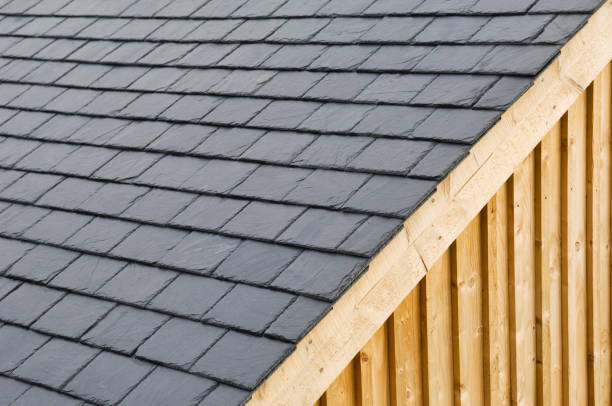
In the realm of roofing solutions, slate roofing stands unparalleled in terms of durability and longevity. Known for its natural beauty, resistance to the elements, and exceptional lifespan, slate has been a preferred choice for centuries. Despite its higher initial cost, its long-term benefits make it an attractive option for those seeking a reliable and aesthetically pleasing roofing material. This article delves into the remarkable durability and longevity of slate roofing, highlighting why it remains a timeless choice for homeowners and builders alike.
The Durability of Slate Roofing
Slate roofing is renowned for its incredible durability. This natural stone material is formed under intense heat and pressure, resulting in a roofing option that can withstand various environmental conditions. Several factors contribute to the durability of slate roofing:
- Weather Resistance: Slate shingles are highly resistant to harsh weather conditions, including heavy rain, snow, and strong winds. This makes them suitable for different climates.
- Fire Resistance: Slate is a non-combustible material, providing excellent fire resistance and making it a safe option for homes.
- Minimal Maintenance: Unlike other roofing materials that require frequent upkeep, slate roofing demands minimal maintenance due to its robust nature.
For those interested in learning more about the resilience and upkeep of slate roofing, discover expert strategies here.
Longevity of Slate Roofing
Impressive Lifespan
The longevity of slate roofing is one of its most compelling attributes. With proper installation and care, slate roofs can last well over a century. Some slate roofs have been known to endure for 150 years or more, surpassing the lifespan of many alternative roofing materials. This remarkable longevity is attributed to:
- Natural Composition: Slate is a metamorphic rock with a dense, durable structure that resists degradation over time.
- Low Water Absorption: With low water absorption rates, slate is less likely to suffer from freeze-thaw cycles that can damage other materials.
- Resistance to Algae and Mold: Slate is naturally resistant to algae and mold growth, which can deteriorate other types of roofing.
For further insights on how to maximize the lifespan of slate roofing, learn about our tailored solutions.
Environmental Benefits
In addition to its longevity, slate roofing offers significant environmental advantages. Its natural composition means it requires less energy to produce and is recyclable at the end of its life cycle. Key environmental benefits include:
- Minimal Waste: Due to its long lifespan, slate roofing generates less waste compared to materials that require frequent replacement.
- Sustainable Material: As a natural stone, slate is a sustainable roofing choice, aligning with eco-friendly building practices.
To explore advanced guides and tips on sustainable roofing practices, explore advanced guides and tips.
Investment Value
While the initial cost of slate roofing may be higher than other materials, its durability and longevity offer long-term economic benefits. Homeowners can expect reduced repair costs and enhanced property value. Important considerations include:
- Property Appreciation: Slate roofs can increase property value due to their aesthetic appeal and durability.
- Reduced Insurance Premiums: The fire resistance and durability of slate may lead to lower insurance premiums.
For those considering slate roofing as an investment, find out more about this approach.
In conclusion, the durability and longevity of slate roofing make it an unmatched choice for those seeking a long-lasting, environmentally friendly, and aesthetically pleasing roofing solution. Its ability to withstand the test of time ensures that it will remain a preferred option for discerning homeowners and builders, providing peace of mind and enduring value for generations.
About the Author