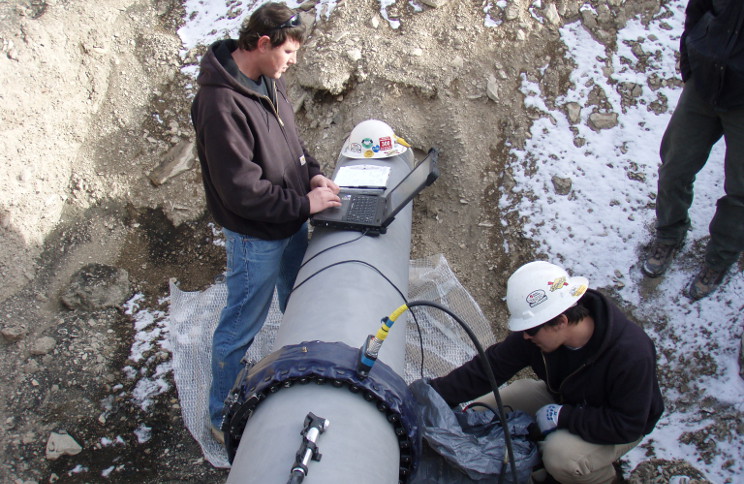
In today’s industrial landscape, the integrity of infrastructure is paramount. Corrosion remains a significant threat to the longevity and safety of metallic structures, leading to potential failures and costly repairs. As industries strive for cost-effective maintenance solutions, cathodic protection services emerge as a powerful strategy for corrosion prevention. By understanding the principles and applications of cathodic protection, industries can safeguard their assets and extend the lifespan of critical structures.
Understanding Cathodic Protection
Cathodic protection is an electrochemical process that prevents corrosion by converting all anodic areas on a metal surface to cathodic areas. This is achieved by supplying an external current to the metal structure, thereby reducing its potential and minimizing oxidative reactions.
Key Benefits of Cathodic Protection
– **Longevity**: Extends the life of structures, reducing the need for frequent replacements.
– **Cost-Effective**: Reduces maintenance costs over time by mitigating corrosion.
– **Reliability**: Ensures the safety and reliability of critical infrastructure.
– **Versatility**: Applicable to various industries, including oil and gas, marine, and construction.
Find out more about this approach here.
Types of Cathodic Protection Systems
Two primary methods exist for cathodic protection: sacrificial anode systems and impressed current systems.
Sacrificial Anode Systems
– **Definition**: Utilizes more reactive metals, such as zinc or magnesium, to act as anodes.
– **Application**: Commonly used in smaller-scale applications and environments where power sources are limited.
– **Advantage**: Easy to install and maintain without the need for external power.
Impressed Current Systems
– **Definition**: Utilizes an external power source to provide the necessary current to the protected structure.
– **Application**: Ideal for larger structures or where environmental conditions demand higher protection levels.
– **Advantage**: Offers adjustable protection levels and can be monitored remotely.
For a detailed exploration of these systems, learn about our tailored solutions.
Industries Benefiting from Cathodic Protection
Cathodic protection is crucial across various sectors where metal corrosion poses a risk:
– **Oil and Gas**: Protects pipelines and storage tanks, ensuring uninterrupted operation.
– **Marine**: Guards against the harsh effects of saltwater on ships and offshore platforms.
– **Construction**: Preserves the structural integrity of bridges and buildings.
– **Utilities**: Maintains the efficiency of water and sewage systems.
Industries can discover expert strategies here for implementing cathodic protection effectively.
Implementing Cost-Effective Cathodic Protection
Effective implementation of cathodic protection requires a strategic approach:
– **Assessment**: Conduct thorough evaluations to determine the specific corrosion risks and required protection levels.
– **Design**: Customize the cathodic protection system to meet the unique needs of the structure and environment.
– **Monitoring**: Implement regular monitoring to ensure the system operates effectively and make adjustments as needed.
By following these steps, businesses can explore advanced guides and tips for maintaining their assets.
Conclusion
Cathodic protection services provide a robust and cost-effective solution for corrosion prevention. By leveraging these systems, industries can ensure the longevity and safety of their infrastructure. As technology advances, the methods and materials used in cathodic protection continue to evolve, offering even greater efficiency and reliability. Embracing these solutions not only protects assets but also supports sustainable industrial practices, ensuring operational continuity and financial savings in the long run.
About the Author




