In today’s fast-paced business world, creating a positive work environment is essential for fostering productivity, collaboration, and employee satisfaction. The design and functionality of corporate office space play a crucial role in achieving these goals. A well-thought-out office environment not only enhances the well-being of employees but also aligns with the strategic objectives of the organization. This article explores the essentials of designing a conducive corporate office space that promotes a positive work environment.
Key Elements of a Positive Work Environment
A positive work environment is characterized by several key elements that contribute to an employee-friendly atmosphere. These elements include:
- Comfortable and Ergonomic Furniture: Investing in high-quality, ergonomic furniture helps reduce physical strain and improves comfort, leading to increased productivity.
- Proper Lighting: Natural lighting boosts mood and energy levels, while adjustable artificial lighting caters to different tasks and preferences.
- Effective Layout: An open-plan layout encourages collaboration, while private spaces allow for focused work. The layout should balance these needs effectively.
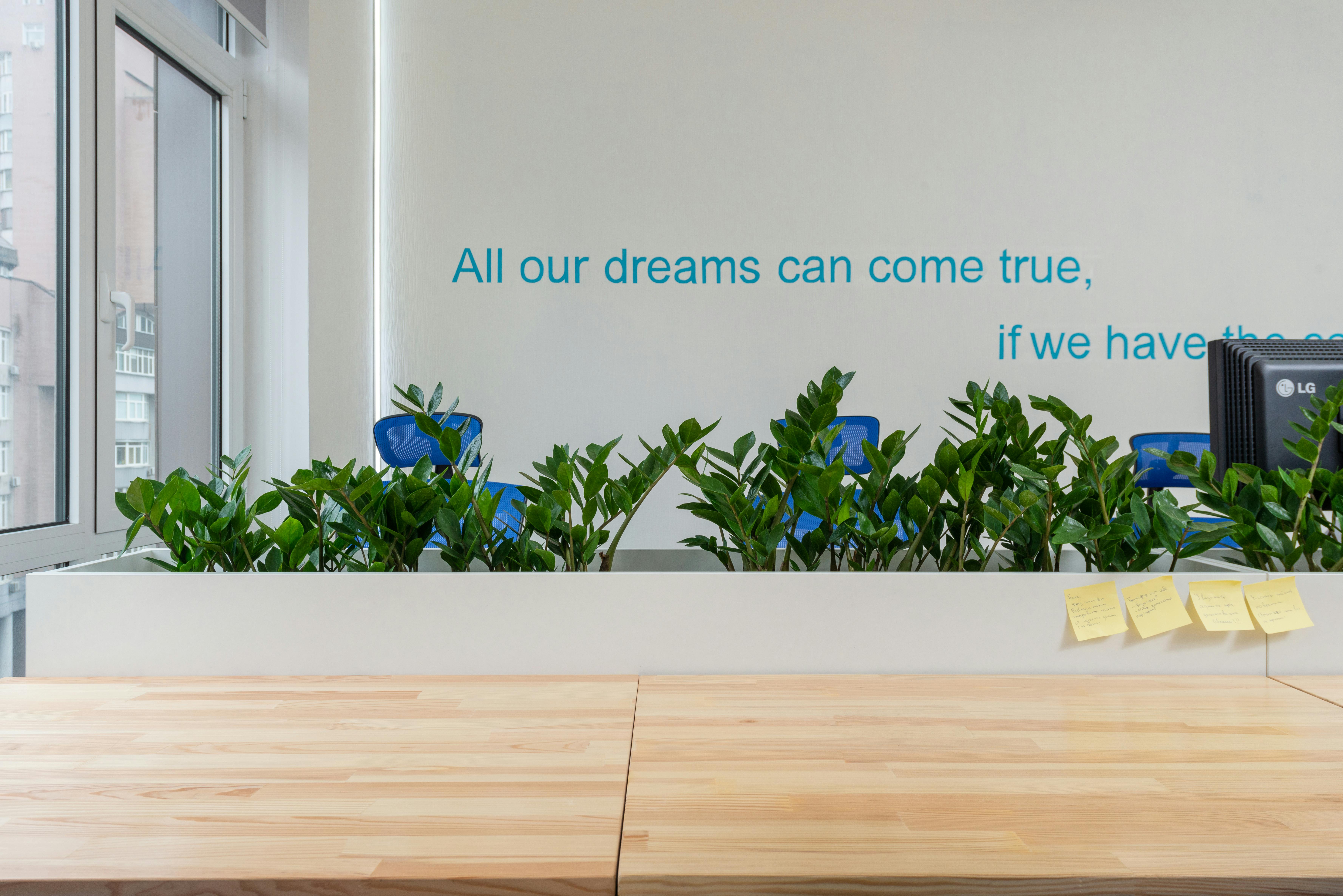
- Greenery and Plants: Incorporating plants into the office space can enhance air quality and create a calming atmosphere, contributing to employee well-being.
Designing for Collaboration and Focus
Creating a space that fosters both collaboration and individual focus is paramount. The design should support various work styles and preferences.
Encouraging Collaboration
Collaborative spaces should be designed to facilitate teamwork and idea-sharing. Consider the following aspects:
- Open Areas: Spaces that encourage spontaneous discussions and brainstorming sessions.
- Breakout Rooms: Informal meeting areas equipped with technology to support digital collaboration.
- Common Areas: Relaxation zones where employees can unwind and engage in casual conversations.
Promoting Focus
While collaboration is essential, providing areas for focused work is equally important. Consider these features:
- Quiet Zones: Designated areas where employees can work without disruptions.
- Soundproofing: Acoustic solutions to minimize noise distractions and enhance concentration.
- Personal Workspaces: Personalized desks or cubicles that offer privacy and a sense of ownership.
Technology Integration
Seamless technology integration is crucial for modern office spaces. It ensures efficiency and supports various work processes.
- High-Speed Internet: Reliable internet connectivity is the backbone of any digital workspace.
- Advanced Communication Tools: Tools that facilitate video conferencing, instant messaging, and project management.
- Smart Office Solutions: Implementing IoT devices and automation for energy efficiency and convenience.
Creating a Culture of Well-being
A positive work environment goes beyond physical space; it involves fostering a culture of well-being and inclusivity.
- Flexible Work Policies: Offering flexible working hours and remote work options to accommodate diverse needs.
- Health and Wellness Programs: Initiatives that promote physical and mental health, such as gym memberships or mindfulness sessions.
- Diversity and Inclusion: Creating an environment that respects and values diverse perspectives and backgrounds.
Designing a positive work environment requires a holistic approach that considers physical space, technological infrastructure, and corporate culture. By prioritizing these elements, organizations can create a workplace that not only supports their strategic goals but also enhances employee satisfaction and productivity.
About the Author